
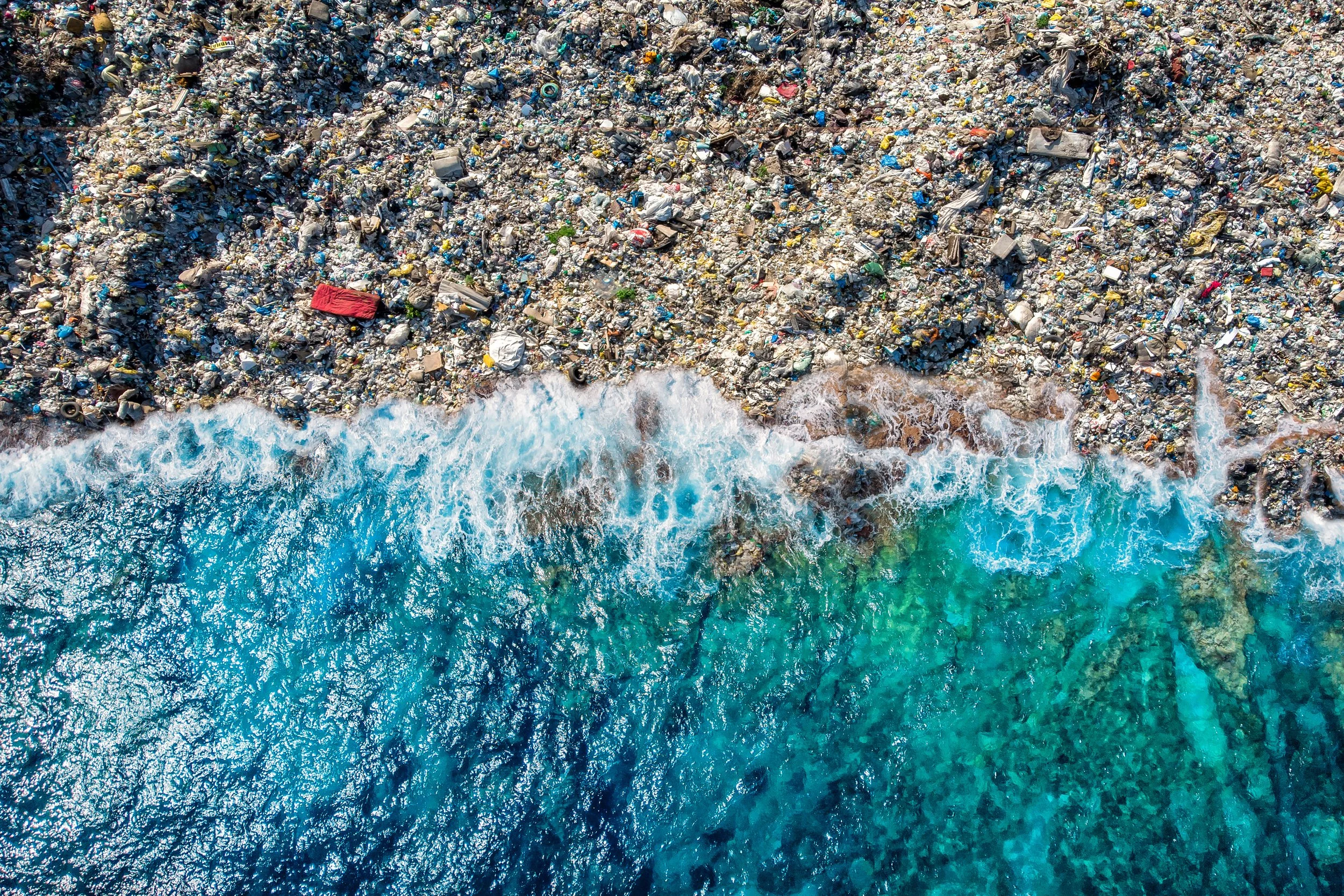
A Marine Plastic Treaty in the Making — and Why It Cannot Fail
In 2022, 175 nations agreed that plastic pollution had become a global emergency requiring a legally binding international response. The Intergovernmental Negotiating Committee — the INC — was tasked with producing a treaty by the end of 2024. Four years and five bruising sessions later, that treaty still does not exist. But the process is alive, and the next formal session is set for March 2027.
The scale of political momentum is itself historic. Never before have so many nations committed to a binding instrument covering the full lifecycle of plastics — from fossil fuel extraction through production, use, and disposal. By INC-5.2 in Geneva, up to 120 countries had coalesced around core provisions: phasing out the most harmful plastic products and chemicals, and ensuring decisions could be made by majority vote. That coalition is a genuine and hard-won achievement.
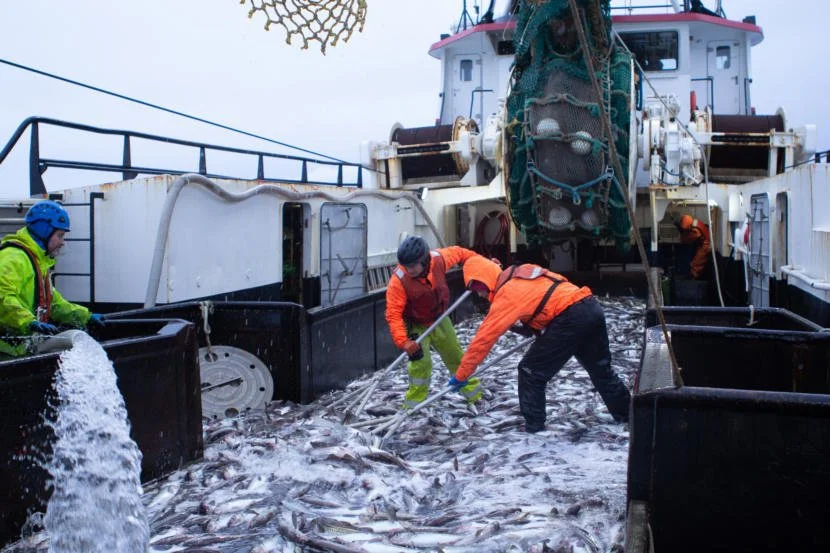
After 20 years, the high seas finally have legal protection
That changes on 17 January 2026. When the High Seas Treaty formally enters into force, it will for the first time allow the creation of marine protected areas in international waters, require environmental impact assessments for activities that could harm ocean ecosystems, and ensure that all nations — including developing ones — share equitably in the ocean's resources and benefits.
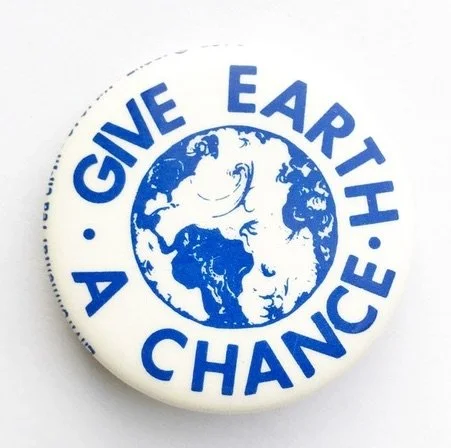
I Marched on the First Earth Day—And It Changed What I Believe Citizens Can Do
Button from the first Earth Day, 1970 Source: Th!rd Act.org
The first Earth Day took place on April 22, 1970 – 56 years ago! The seminal observance reportedly inspired 20 million Americans — at the time, 10% of the total population of the United States — to take to the streets, parks and auditoriums to protest the impacts of 150 years of industrial development which had left a growing legacy of serious human health impacts.
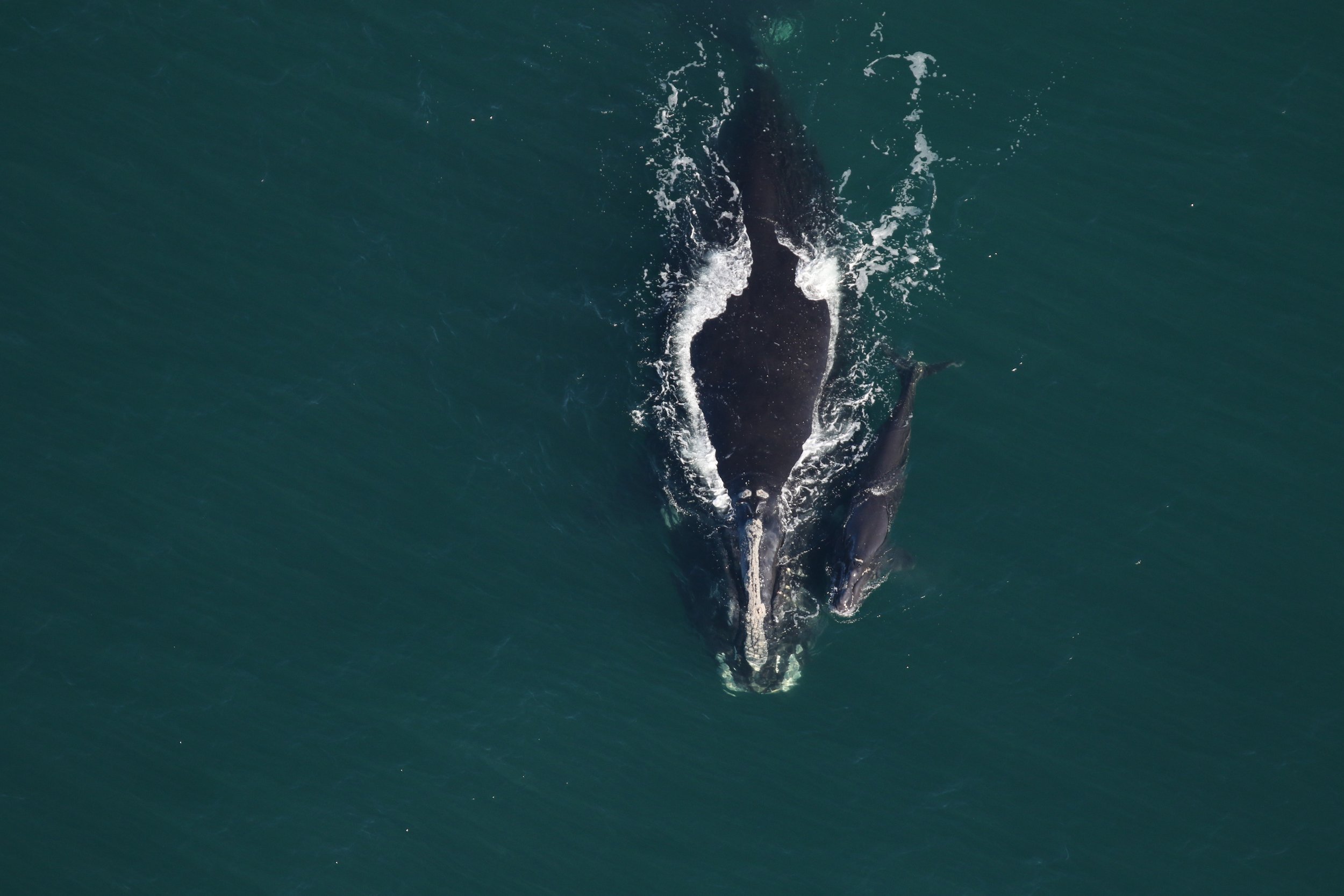
Guardians in the Gray Atlantic: A Fragile Hope for the Right Whale
North Atlantic right whale named Cascade and her fourth calf were photographed swimming approximately 21 miles east of Ossabaw Island, Georgia. The North Atlantic right whales have given birth to 22 calves this season. Is this cause for hope for this endangered population?
Credit: Clearwater Marine Aquarium Research Institute
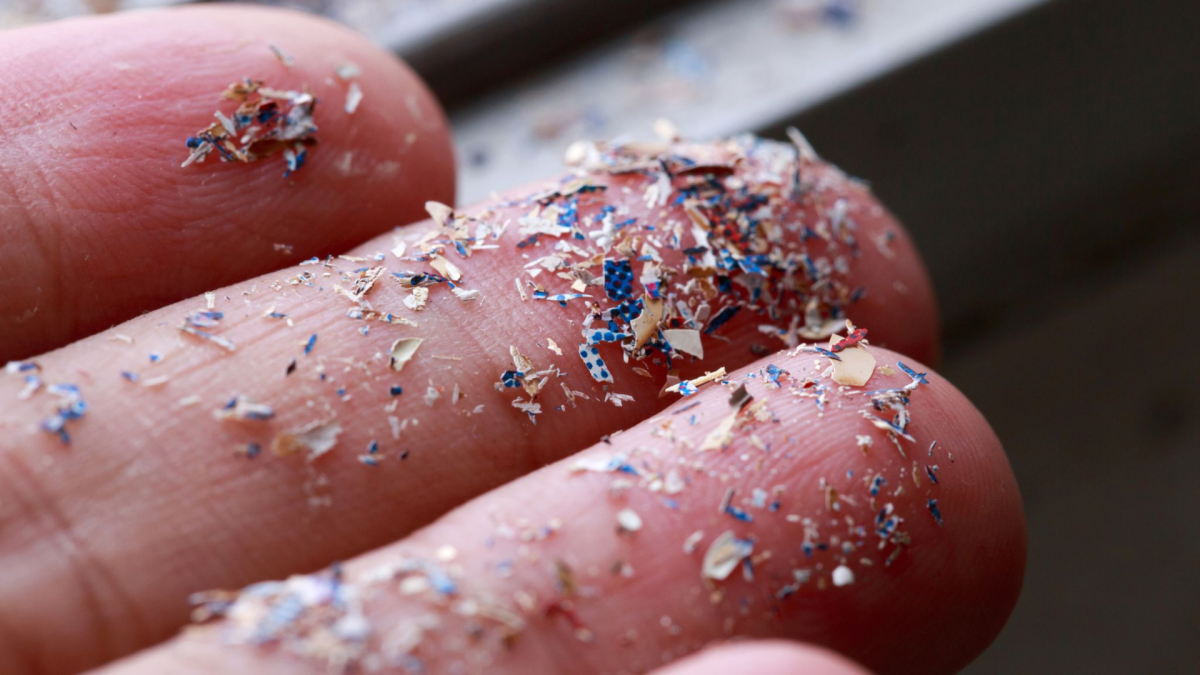
The Plastic Tide: How Microplastics Are Impacting the Ocean and Us
Microplastics are widespread pollutants found from Arctic ice to ocean trenches, in coral reefs, whale stomachs, and human blood and breast milk. A global treaty to regulate plastics' full lifecycle is under negotiation in 2026, offering hope for reducing plastic pollution.
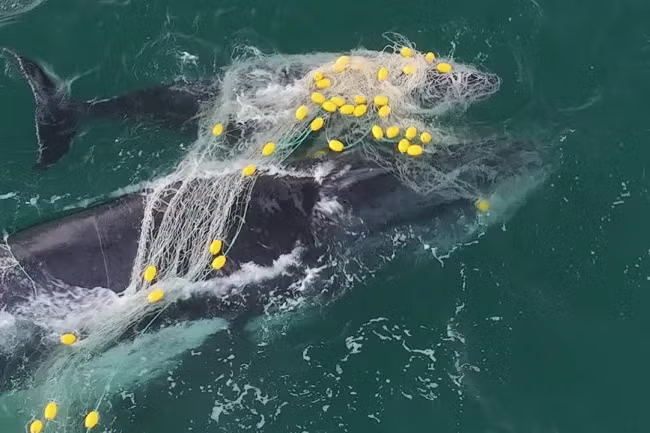
Saving Giants of the Pacific: A Conversation with Marie Harvey, A NOAA Large Mammal Entanglement Response Team Leader
Learn about these incredible teams that respond to marine mammal entanglements and the systems that support them.
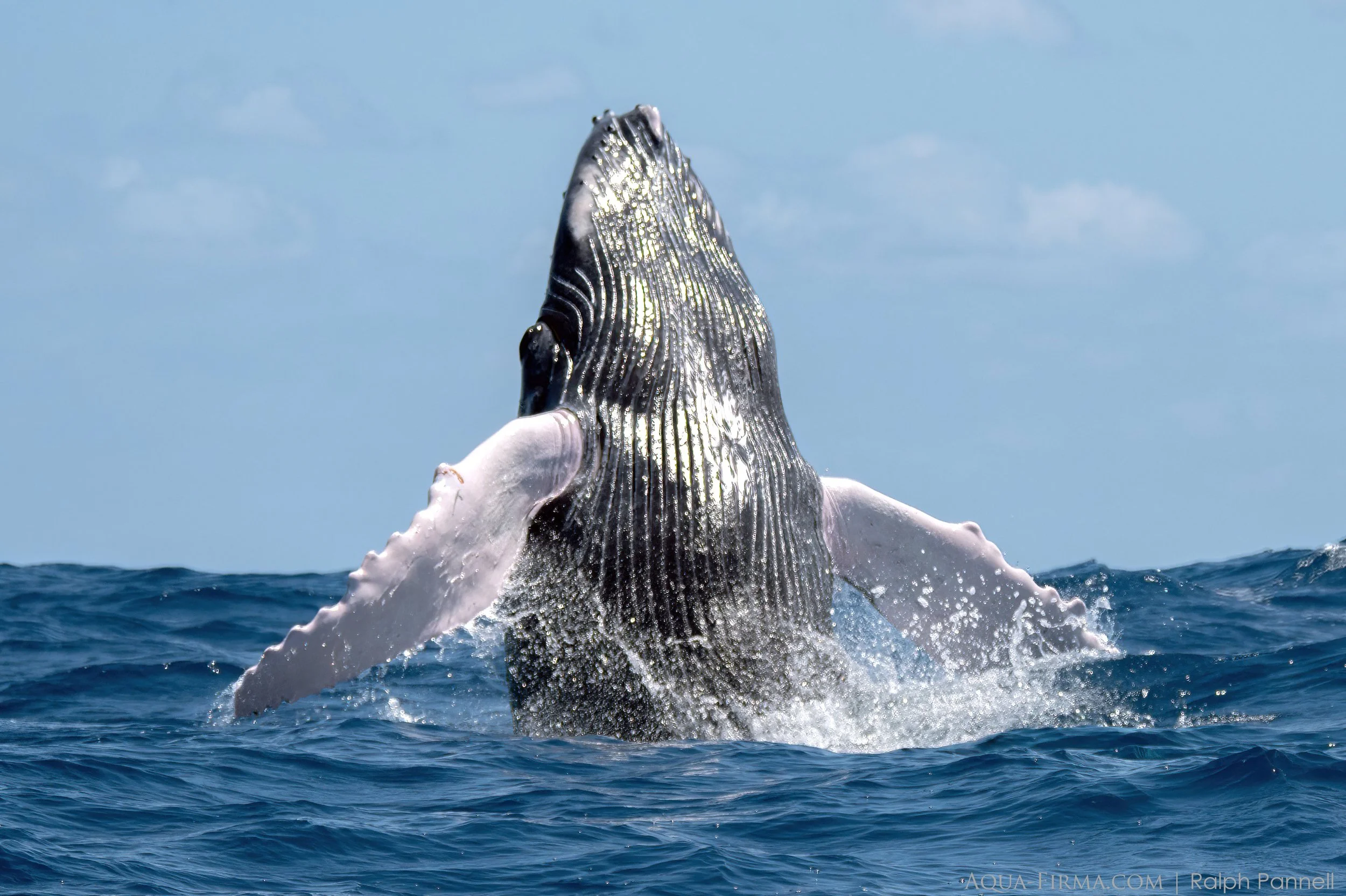
World Whale Day, February 15th
World Whale Day, a global reminder of whales’ beauty, intelligence, and ecological importance. Founded in Hawaiʻi to honor migrating humpback whales, the day has grown into an international movement that celebrates all whale species and raises awareness of the challenges they face in today’s oceans.