
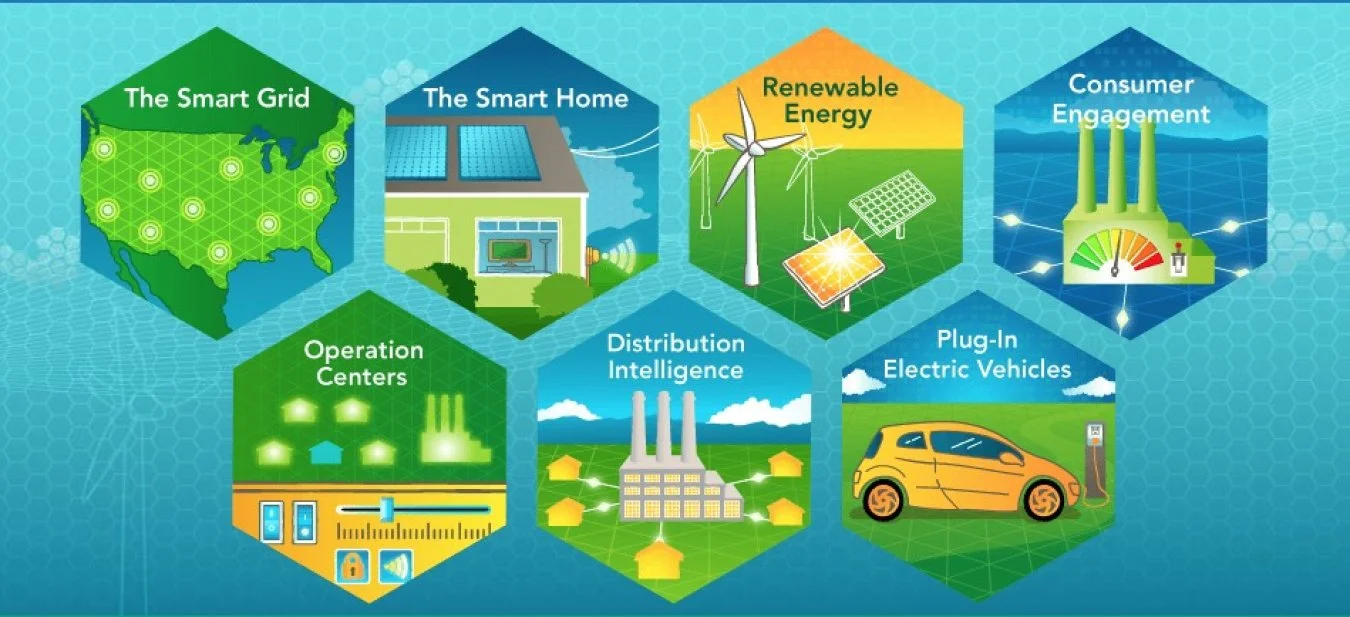
Source: US Dept of Energy
Every Drop, Every Watt: How Smart Energy Use Protects Our Oceans
The ocean feels impossibly far away when you're standing in your kitchen running the tap or leaving the lights on overnight. But the connection between everyday household energy and the health of the world's seas is more direct than most people realize. Water treatment, electricity generation, and fossil fuel extraction all carry a cost that flows — sometimes literally — into marine ecosystems. Rethinking how we use energy and water at home is one of the most tangible ways individuals can act on behalf of ocean conservation.
The Ocean Pays for Our Energy Habits
Electricity in most parts of the world is still generated primarily by burning fossil fuels — coal, natural gas, and oil. Every kilowatt-hour consumed at home contributes to carbon emissions that drive ocean warming and acidification. Since the Industrial Revolution, the ocean has absorbed roughly 90% of the excess heat trapped by greenhouse gases, and its surface waters have become about 30% more acidic. These changes bleach coral reefs, disrupt fish migration, and threaten the base of the marine food web.
Water use carries its own hidden toll. Treating and pumping municipal water requires significant energy — and when wastewater re-enters waterways carrying nutrients, detergents, and microplastics, it can trigger algal blooms and oxygen-depleted dead zones that suffocate marine life. In coastal areas, excessive groundwater extraction can cause saltwater intrusion, altering fragile estuarine ecosystems where many species breed and feed.
"The ocean doesn't have a budget for our waste. But it pays the price anyway."
The energy–ocean connection by the numbers
~90% of excess planetary heat is absorbed by the ocean
30% more acidic: ocean surface pH since pre-industrial times
~4% of US energy consumption goes to water treatment & delivery
Up to 30% of home energy use can be cut through efficiency measures
Small Changes, Real Impact
Reducing energy and water consumption at home doesn't require sacrifice — it requires mindfulness. Shortening showers by two minutes saves around 10 gallons of water. Fixing a dripping faucet can save more than 3,000 gallons per year. Running dishwashers and washing machines only when full, switching to cold-water laundry cycles, and installing low-flow fixtures are all accessible steps with measurable results.
On the electricity side, turning off lights and unplugging devices on standby can reduce a household's energy draw by 5–10%. Switching to LED lighting, choosing energy-efficient appliances, and adjusting thermostat settings even modestly translate into fewer tons of carbon entering the atmosphere — and fewer degrees of warming absorbed by the sea.
For those with the means to go further, rooftop solar, heat pumps, and electric vehicle charging from renewable sources represent a step-change in household carbon footprint. But the more universal truth is this: conservation doesn't require perfection. Consistent, conscious reduction across millions of homes adds up to a force the ocean actually feels.
The Bigger Picture: Systemic Change Starts at Home
Personal action is not a substitute for policy — but it is its seedbed. Households that reduce consumption also tend to support systemic change: stronger appliance efficiency standards, renewable energy mandates, and limits on offshore drilling and fossil fuel extraction. The habits we build at home shape the politics we make in public.
Ocean conservation organizations including the Surfrider Foundation and Ocean Conservancy increasingly frame household energy and water use as part of the marine protection agenda — not as a distraction from it. When we heat less, waste less, and power our lives more cleanly, we are making a choice that reverberates all the way to the reef.
"Conservation doesn't require perfection. Consistent, conscious reduction across millions of homes adds up to a force the ocean actually feels."
Five things you can do this week
1. Fix any dripping faucets or running toilets
2. Switch remaining bulbs to LED
3. Run laundry on cold and only with full loads
4. Unplug chargers and devices not in active use
5. Check your utility provider for renewable energy options