
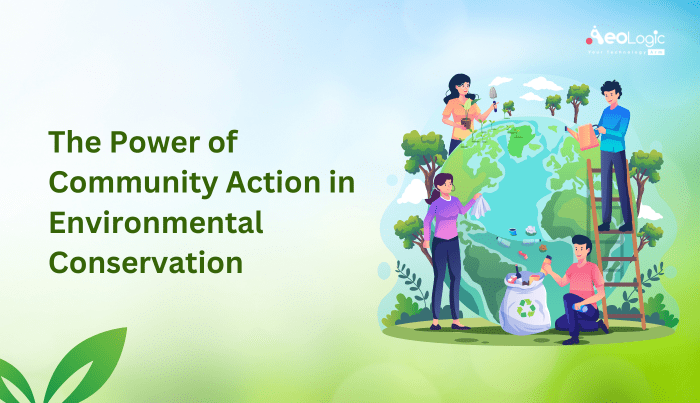
Raise Your Voice: Sharing Conservation Knowledge and Inspiring Change
Of all the actions we can take for the ocean, awareness may be the most underrated. Recycling a plastic bottle, choosing sustainable seafood, divesting from fossil fuels — these are vital individual steps. But they multiply in power when the people around us understand why they matter. Raising awareness is not about lecturing or shaming. It is about sharing what you know, making the ocean feel real and close to people who may never have stood at its edge, and giving others the tools to take their own first steps. Conservation begins with knowledge — and knowledge spreads person to person.
Why Awareness Is a Conservation Act
Marine ecosystems face threats that are largely invisible to most people. Ocean acidification happens silently beneath the surface. Plastic pollution accumulates in gyres thousands of miles from shore. Coral bleaching occurs in waters most people will never visit. This distance — physical and emotional — is one of the biggest obstacles to collective action. People do not protect what they do not know, and they do not fight for what they cannot feel.
Research in conservation psychology consistently shows that awareness is the precursor to behavior change. Before someone reduces their plastic use, they understand why it matters. Before a community pushes for marine protection legislation, its members have come to see the ocean as something worth defending. Awareness does not guarantee action — but action rarely happens without it. When you share your knowledge, you are not just informing someone. You are widening the circle of people who care.
"You don't have to be a scientist or a diver to be a voice for the ocean. You just have to be willing to speak."
The reach of awareness — why it matters
26% of people say a conversation with someone they trust first got them interested in environmental issues
Social influence is the #1 driver of sustainable behavior change, outranking policy and price
Communities with high environmental awareness are 3x more likely to support marine protection legislation
Word of mouth remains the most trusted form of information — more than media, ads, or institutions
Share What You Know — Authentically
You do not need to be a marine biologist to talk about ocean health. You need to be genuinely engaged — curious, informed, and honest about what you know and what you are still learning. Authentic conversations are far more persuasive than polished talking points. Share the fact that surprised you. Describe what moved you — a photograph, a statistic, an experience diving or walking a beach. Personal connection makes information memorable in a way that data alone rarely does.
When sharing conservation knowledge, focus on the connection between everyday life and ocean health. Most people care deeply about clean water, healthy food, stable weather, and a livable planet — they may simply not have connected those concerns to the state of the sea. Your role is not to alarm but to illuminate: to show how the ocean is woven into everything, and how protecting it is inseparable from protecting ourselves.
Encourage Small Steps — They Are Not Small
One of the most common barriers to engagement is the feeling that individual actions are meaningless in the face of global-scale problems. This is a reasonable fear, and it deserves a real answer: small steps matter both directly and systemically. They reduce harm at scale when practiced by millions. They build the habits and identity that lead to larger action. And they signal to industries and governments that public values are shifting.
When you encourage someone to take their first small step — bringing a reusable bag, skipping a single-use plastic straw, choosing sustainably sourced fish once a week — you are not minimizing the size of the problem. You are giving them a place to start. Entry points are how movements grow. Be generous with them.
Small steps with real ocean impact — share these with others
Skip single-use plastic: bags, bottles, straws, and cutlery are among the top items found in ocean cleanups
Choose sustainable seafood: look for MSC certification or use the Monterey Bay Aquarium Seafood Watch app
Reduce meat and dairy: livestock agriculture is a major source of ocean-harming nitrogen runoff
Conserve water at home: less treated water means less energy, less chemical runoff, less ocean impact
Participate in a beach or waterway cleanup: hands-on experience is the most powerful awareness of all
How to Raise Awareness — Practical Ways to Start
Awareness can be raised in everyday conversations, on social media, in classrooms, at community meetings, and around dinner tables. The channel matters less than the consistency and sincerity with which you show up. Here are concrete ways to begin:
1. Have one honest conversation this week.
Choose someone in your life — a friend, family member, or colleague — and share one thing you recently learned about the ocean or marine conservation. Keep it brief, personal, and genuine. You are not trying to convert anyone; you are opening a door.
2. Share conservation content on social media with context.
Reposting a striking photo or statistic is a start, but adding your own voice makes it land differently. Tell your followers why this matters to you. A sentence of personal reflection transforms a share into a conversation.
3. Support and amplify ocean educators and communicators.
Follow, share, and engage with marine scientists, conservation organizations, and storytellers who are doing this work every day. Amplifying their voices costs you nothing and extends their reach significantly. Organizations like the Ocean Conservancy, Surfrider Foundation, and Mission Blue produce accessible, shareable content built for exactly this purpose.
4. Bring it into your community.
Talk about ocean conservation at your school, place of worship, community center, or local government. Suggest a film screening, a guest speaker, or a beach cleanup event. Community-level awareness creates the social norms that make individual behavior change feel normal rather than exceptional.
5. Model sustainable choices visibly.
Bring your reusable cup. Carry your bag. Order the sustainable option. Choose the train. People notice what others do, especially people they respect. Visible, cheerful, unapologetic sustainable behavior is one of the most effective forms of awareness-raising there is.
"Conservation begins with knowledge — and knowledge spreads person to person. Your voice is part of the ocean's defense."
Resources to deepen and share your knowledge
see-the-sea.com — ocean conservation stories, science, and action tools
Monterey Bay Aquarium Seafood Watch (seafoodwatch.org) — sustainable seafood guide
Ocean Conservancy (oceanconservancy.org) — campaigns, data, and shareable content
Mission Blue (mission-blue.org) — Hope Spots and marine protection storytelling
Surfrider Foundation (surfrider.org) — coastal advocacy and community campaigns
IUCN Ocean (iucn.org/our-work/ocean) — science-based conservation updates
The Ripple Effect Is Real
Every conversation about the ocean that sparks curiosity in another person is a small act of conservation. Every social media post that makes someone pause and think differently about plastic, or seafood, or fossil fuels, is part of a larger shift. Awareness does not always produce immediate, measurable results — but it is the medium through which movements travel. It is how values change, how communities organize, and how the political will for systemic action is eventually built.
The ocean does not have a voice of its own in human institutions. It cannot testify before a legislature, write an op-ed, or lobby a government. That responsibility falls to those of us who know what is at stake — and who care enough to say so. Raise your voice. Share what you know. Encourage the people around you to take one step forward. The ocean needs advocates in every community, in every conversation, at every table.