
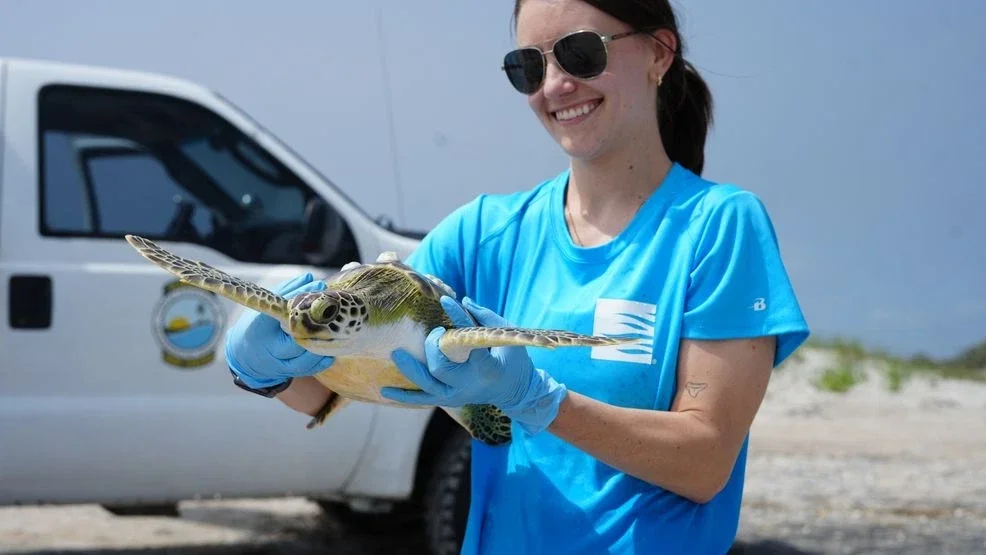
How to Meaningfully Support Ocean Conservation
A Practical Guide for Individuals and Groups Ready to Make a Real Difference
The ocean covers more than 70% of our planet's surface, produces more than half of the oxygen we breathe, and absorbs roughly a third of all carbon dioxide humanity emits. It is the engine of Earth's climate, the foundation of global food security, and home to a biodiversity so vast that most of its species remain undiscovered. It is also under extraordinary pressure — from plastic pollution, climate-driven acidification and warming, overfishing, habitat destruction, and coastal runoff.
The scale of those threats can make individual action feel inadequate. It isn't. The conservation gains of the past several decades — expanding marine protected areas, bans on harmful fishing practices, the recovery of species once headed for extinction — were driven by the sustained effort of individuals and groups who chose to act. What is needed now is more of that effort, better directed.
This guide organizes the most meaningful pathways for ocean conservation support into four areas: hands-on participation, advocacy and awareness, political and policy action, and strategic financial support. Each pathway is accessible to individuals. All of them, done consistently, compound into change.
"You do not have to be a scientist or a policymaker to protect the ocean. You have to show up — at the beach, at the ballot box, and in your community."
1. Local Participation & Hands-On Action
The most direct form of ocean conservation is physical: getting into the field, removing waste, restoring habitat, and contributing observational data that scientists cannot collect at scale without public participation. These activities are available in almost every coastal community and many inland ones, and they build the firsthand connection to marine ecosystems that sustains long-term conservation commitment.
Beach & Waterway Cleanups
• Join or organize debris removal events through the Ocean Conservancy's Trash Free Seas initiative or local Waterkeeper/Riverkeeper groups.
• Cleanups are entry points — they introduce people to the scale of marine debris, generate data on pollution sources, and create community around conservation.
• Even a single person picking up debris on a regular coastal walk contributes meaningfully to reducing the plastic that reaches the sea.
Citizen Science Programs
• Contribute real-world data by logging marine life sightings, tracking invasive species, or monitoring water quality using platforms like iNaturalist or the Secchi Disk app.
• Citizen science fills geographic and temporal gaps that professional researchers cannot cover — your observations become part of the scientific record.
• Programs like Reef Check train recreational divers to survey coral reef health using standardized protocols recognized by conservation agencies worldwide.
Habitat Restoration
• Volunteer for hands-on coastal projects: planting marsh grasses, building oyster reefs, restoring mangrove forests, or clearing invasive species from kelp beds.
• These ecosystems are among the most carbon-dense on Earth and provide critical nursery habitat for commercially and ecologically important marine species.
• Regional land trusts, coastal conservancies, and organizations like SeaTrees coordinate volunteer restoration work in many coastal communities.
Sustainable Seafood Choices
• Use the Monterey Bay Aquarium Seafood Watch guide to choose ocean-friendly food — available as a free app with ratings by species, region, and catch method.
• Sustainable seafood demand signals to suppliers and fisheries that responsible practices have market value.
• Ask about sourcing at restaurants and fish counters. The question alone shifts awareness in the supply chain.
2. Advocacy & Community Awareness
Conservation policy follows public awareness. The social license for ocean protection — the broad sense that the sea deserves legal safeguarding and that those who harm it should face consequences — is built and maintained by the people who speak about it, teach it, and demand it from the institutions around them. Advocacy is not the exclusive domain of professional lobbyists. It begins in classrooms, community centers, and social feeds.
Consumer Pressure Campaigns
• Boycott single-use plastics and publicly urge local businesses, restaurants, and supermarkets to adopt alternatives.
• Direct, polite requests to local business owners — especially from regular customers — are among the most effective forms of consumer pressure.
• Document and share examples of businesses making the switch; positive visibility reinforces the behavior change.
Educational Outreach
• Volunteer at local aquariums, schools, or nature centers to lead workshops, give presentations, or distribute educational materials about marine ecosystems.
• The South Carolina Aquarium in Charleston actively recruits education volunteers and operates one of the Southeast's leading Sea Turtle Care Centers.
• Ocean literacy — understanding how the ocean works and why it matters — is one of the most durable foundations for sustained conservation behavior.
Digital Campaigns
• Share peer-reviewed marine science research, conservation documentaries, and active petitions across your social networks.
• Prioritize credible sources: NOAA, peer-reviewed journals, and established NGOs carry more weight than viral infographics of uncertain origin.
• Personal narratives — your own dive experiences, your local beach before and after a cleanup — are among the most persuasive forms of conservation communication.
3. Political Action & Policy Influence
Individual and collective action matters enormously — but so do the rules of the system. Ocean conservation at scale requires policy: legal protections for marine habitats, limits on pollution, regulations on fishing practices, and climate commitments that slow the warming and acidification degrading reefs and disrupting marine food chains. Influencing that policy is one of the highest-leverage things a conservation-minded person can do.
Contact Your Representatives
• Write, call, or meet with your local, state, and federal representatives to express support for strong ocean protections: limits on single-use plastics, offshore drilling bans, and stricter agricultural runoff regulations.
• Constituent contact is tracked and influences legislative priorities. A brief, specific, personal message carries more weight than a form letter.
• Organizations like Oceana and the Ocean Conservancy provide action alerts and pre-written templates that make the process accessible.
Support Marine Protected Areas (MPAs)
• Attend public comment periods and town halls on proposed or existing MPAs — your voice on the public record matters in regulatory decision-making.
• Fully protected MPAs, where commercial fishing and extraction are prohibited, consistently demonstrate higher biodiversity and faster ecosystem recovery than partially protected areas.
• The Marine Conservation Institute's Marine Protection Atlas (MPAtlas.org) tracks MPA coverage and effectiveness globally — a resource for understanding what exists and where gaps remain.
Vote on Ocean Issues
• Research candidates using environmental scorecards such as those published by the League of Conservation Voters, which rates elected officials on their environmental votes and commitments.
• Support ballot initiatives that establish or expand coastal protections, fund ocean research, or restrict harmful industrial practices in marine environments.
• Encourage conservation-minded peers to register and vote — electoral participation is the most direct mechanism citizens have to shape environmental governance.
4. Strategic Donations & Financial Support
Donations to well-run ocean conservation organizations fund the field science, legal action, policy advocacy, habitat restoration, and community education that make systemic change possible. Giving strategically — researching organizations for effectiveness, transparency, and alignment with the most pressing ocean threats — multiplies the impact of every dollar donated.
Direct NGO Funding
• Make targeted donations or set up recurring monthly contributions to highly rated, transparent global ocean organizations.
• Use Charity Navigator, GiveWell, or the Better Business Bureau's Wise Giving Alliance to evaluate organizational effectiveness and financial transparency before giving.
• Recurring monthly donations are especially valuable — they allow organizations to plan field programs and staffing with reliable budgets.
Adopt-an-Animal Programs
• Fund localized research, wildlife rehabilitation, and tracking efforts by symbolically adopting marine animals through organizations like the World Wildlife Fund (WWF) or the Sea Turtle Conservancy.
• Adoption programs often directly fund satellite tagging, nesting site monitoring, and rehabilitation costs for specific animals or populations.
• They are also effective gifts for introducing children and new audiences to ocean conservation in a personal, emotionally resonant way.
Support Environmental Legal Defense
• Donate to environmental legal organizations like Earthjustice or ClientEarth that actively litigate on behalf of ocean ecosystems — suing corporations and governments to enforce marine protection laws.
• Legal action has produced some of the most significant ocean conservation victories: halting offshore drilling permits, enforcing fishing regulations, and blocking permits for coastal industrial facilities.
• These organizations operate in the spaces where policy is made and broken; funding them sustains capacity that no amount of individual action can replicate.
5. Organizations Worth Knowing
The ocean conservation landscape spans local volunteer networks and global policy organizations. Below are key groups operating across different scales and focus areas — from your nearest coastline to the high seas.
Example for South Carolina & Lowcountry – I encourage you to find organizations in your area and get involved!
Local & Regional Organizations
• South Carolina Aquarium (Charleston) leads regional conservation and operates the Sea Turtle Care Center; accepts education and rehabilitation volunteers year-round.
• Coastal Conservation League Advocates for South Carolina's natural coastal environment, prioritizing clean water, managed growth, and habitat preservation.
• Carolina Ocean Alliance A Charleston-based grassroots network protecting and restoring South Carolina's coastal ecosystems.
• SCDNR Marine Turtle Conservation Program: State-managed volunteer program that walks coastal beaches at dawn during nesting season to monitor and protect loggerhead sea turtle nests.
• SCDNR South Carolina Oyster Recycling and Enhancement (SCORE) : State-managed volunteers for building and deploying oyster reef habitat and growing and planting Spartina marshgrass to maintain and restore coastal ecosystems.
Global Ocean Conservation Organizations
International Organizations
• Oceana The largest international advocacy organization focused exclusively on ocean policy; has secured protection for millions of square miles of ocean habitat.
• Ocean Conservancy U.S.-based global group tackling plastic pollution, climate change, and habitat destruction; organizes the International Coastal Cleanup.
• The Ocean Cleanup Develops advanced river and ocean plastic interception technology; Interceptor boats deployed at high-emission river mouths worldwide.
• Sea Shepherd Global Direct-action marine wildlife protection; deploys vessels to disrupt illegal fishing and whaling operations on the high seas.
• Surfrider Foundation Grassroots coastal protection network with chapters at most coastal communities; focuses on plastic source reduction and beach access.
Specialized Focus Organizations
By Conservation Focus Area
• Species Protection Sea Turtle Conservancy, Marine Mammal Center, World Wildlife Fund (WWF) — rehabilitation, captive breeding, and anti-poaching programs.
• Habitat Restoration Coral Reef Alliance (CORAL), SeaTrees, The Nature Conservancy, Reef Ball Foundation — coral gardening, mangrove planting, kelp restoration, artificial reef deployment.
• Pollution & Cleanup Ocean Conservancy, The Ocean Cleanup, Environmental Defense Fund, Surfrider Foundation — beach cleanups, river barriers, runoff management, circular economy advocacy.
• Policy & Legal Action Oceana, NRDC, Earthjustice, Blue Marine Foundation — MPA creation, litigation, subsidy reform, consumer certification.
• Science & Technology Scripps Institution of Oceanography, Marine Megafauna Foundation, Ocean Discovery League, Marine Conservation Institute — population tracking, water sampling, open-source mapping tools.
• Community Empowerment Oceans North (Indigenous-led conservation), WildAid (ecotourism transition), Reef Check (citizen scientist training).
Where to Begin
There is no single right entry point into ocean conservation. For some people it begins on a beach at dawn, counting sea turtle tracks. For others it begins at a city council meeting, speaking during public comment on a coastal development proposal. For others still, it begins with a monthly donation to an organization whose work they have followed for years and decided to fund.
What matters is not the entry point but the commitment to deepen it — to move from a single cleanup to a regular volunteer role, from a donation to an understanding of what it funds, from sharing a petition to building the relationships that make sustained advocacy possible. The ocean conservation movement is built from exactly that kind of deepening, repeated across millions of lives.
Start where you are. Use what you have. Do what you can. And keep going.
"The ocean conservation movement is built from ordinary people who decided that the sea was worth their time, their voice, and their presence. It still is."