
After 20 years, the high seas finally have legal protection
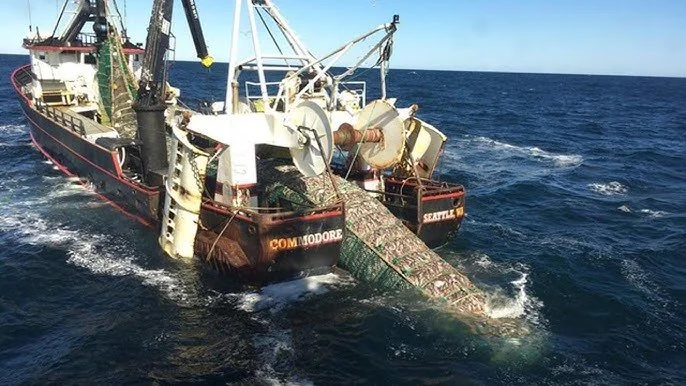
Commercial Fishing on the Open Sea. Photo Source: Aquaculture Farm Channel
The high seas — the vast ocean beyond any country's coastline — have long been the least protected place on Earth. No nation owned them, and so no nation was fully responsible for them. Commercial fishing fleets, shipping lanes, and deep-sea mining interests operated under a patchwork of weak international rules that contained almost no provisions for protecting species or ecosystems.
"For people around the world, it marked a moment of hope — creating, for the first time, a definite path towards a global legal framework to protect marine biodiversity in the areas that cover nearly half of our planet."
That changes on 17 January 2026. When the High Seas Treaty formally enters into force, it will for the first time allow the creation of marine protected areas in international waters, require environmental impact assessments for activities that could harm ocean ecosystems, and ensure that all nations — including developing ones — share equitably in the ocean's resources and benefits.
The treaty is the result of over two decades of sustained effort by the High Seas Alliance, a coalition of more than 70 organisations founded in 2011, which brought together legal experts, marine scientists, Indigenous communities, youth advocates, and sympathetic governments. Their campaign — recognised with the 2025 Earthshot Prize — is a model of what long-term, coalition-driven conservation can achieve.
How it happened
2011
High Seas Alliance founded, uniting civil society voices at the UN
2014
Formal UN negotiations begin; science and policy coalitions mobilise globally
2023
Treaty text agreed at the United Nations after years of negotiation
Sept 2025
60th nation ratifies — the treaty reaches the threshold to enter into force
2025
High Seas Alliance wins the Earthshot Prize — Revive Our Oceans category
Jan 2026
Treaty enters into force — the high seas gain their first global legal protection
