
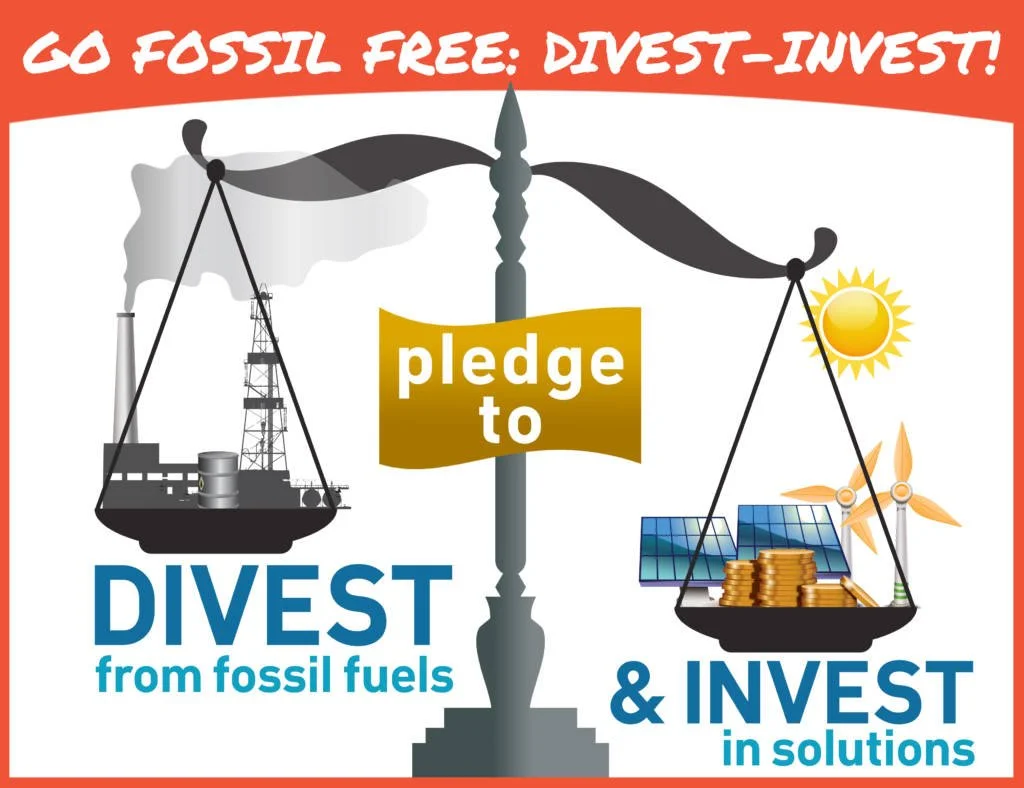
Source: 360 Colorado
Divest From Fossil Fuels: A Stand for the Ocean
The ocean is in crisis — and the fossil fuel industry is at the heart of it. Ocean warming, acidification, catastrophic spills, and the slow suffocation of coastal ecosystems are not abstract future threats. They are happening now, driven in large part by the continued extraction and combustion of coal, oil, and gas. One of the most powerful actions you can take as an individual is to ensure your money is not funding it. Divestment — moving your savings, retirement accounts, and investments away from fossil fuel companies — is a financial act, a moral statement, and a direct line of defense for the sea.
What Fossil Fuels Are Doing to the Ocean
Since the Industrial Revolution, the ocean has absorbed more than 90% of the excess heat generated by greenhouse gas emissions. The result is a warmer, more acidic sea. Average ocean surface temperatures have climbed measurably, and marine heatwaves — once rare — now bleach coral reefs on a near-annual basis. The Great Barrier Reef has experienced six mass bleaching events since 1998, with four occurring between 2016 and 2024 alone.
Ocean acidification, caused by the sea absorbing excess atmospheric CO2, threatens the ability of shellfish, corals, and plankton to form shells and skeletons. These species underpin entire food webs. If they struggle, so does everything that depends on them — including the billions of people who rely on the ocean for protein and livelihood.
Beyond the climate system, the physical infrastructure of fossil fuel extraction poses constant, direct risk to marine ecosystems. Oil spills, pipeline ruptures, and offshore drilling accidents release toxins into waters that support some of the most biodiverse habitats on Earth. The 2010 Deepwater Horizon disaster released approximately 4.9 million barrels of oil into the Gulf of Mexico, affecting more than 1,300 miles of coastline and killing an estimated one million seabirds and 800,000 marine mammals.
"Your money is either part of the problem or part of the solution. There is no neutral ground when the ocean is at stake."
The toll of fossil fuels on the ocean
90%+ of excess planetary heat absorbed by the ocean since industrialization
30% more acidic: ocean surface pH change since pre-industrial era
4.9 million barrels of oil spilled in the 2010 Deepwater Horizon disaster
6 mass coral bleaching events on the Great Barrier Reef since 1998
$5.9 trillion: global fossil fuel subsidies in 2023 (IMF estimate)
What Divestment Means — and Why It Works
Divestment is the process of selling financial holdings in fossil fuel companies and reinvesting in cleaner alternatives. It can apply to personal savings accounts, pension funds, university endowments, insurance portfolios, and municipal investment funds. The global fossil fuel divestment movement has grown to represent more than $40 trillion in assets committed to divest — making it one of the fastest-growing divestment campaigns in history.
Skeptics argue that individual divestment does not directly reduce emissions. This misunderstands how financial pressure works. When large institutional investors divest, it raises the cost of capital for fossil fuel companies, signals long-term risk to markets, and removes the social license that enables continued extraction. Divestment is not just financial — it is political. It tells governments, pension boards, and corporate executives that the public will no longer underwrite climate destruction with its savings.
For the ocean specifically, divestment matters because it targets the source. Reducing plastic waste and energy consumption are vital actions — but they address downstream symptoms. Divestment targets the upstream engine of ocean warming, acidification, and spill risk: the companies extracting and burning fossil fuels at industrial scale.
How to Take Action
Divestment is not just for institutional investors. Individuals have more leverage than they realize. Here are concrete steps you can take today:
1. Audit your bank and investments.
Check whether your bank finances fossil fuel expansion. Resources like BankTrack and the Rainforest Action Network publish annual scorecards ranking banks by fossil fuel lending. Move your accounts to a credit union or values-aligned bank if your current institution scores poorly.
2. Review your retirement or pension fund.
Many 401(k) and IRA plans offer ESG (Environmental, Social, Governance) fund options that screen out fossil fuel companies. Contact your plan administrator and ask about fossil-free investment options. If your employer's plan lacks them, advocate for their inclusion.
3. Push your institution to divest.
If you are affiliated with a university, religious institution, or municipal government, join or start a divestment campaign. Over 1,500 institutions worldwide have already committed to divest. Organizations like 350.org and Fossil Free provide toolkits, campaign templates, and organizing support.
4. Redirect your savings toward ocean-positive investments.
Blue bonds, green bonds, and renewable energy funds are growing financial instruments that direct capital toward ocean conservation, clean energy infrastructure, and sustainable fisheries. Look for certified impact investment options through your brokerage or a financial advisor familiar with sustainable investing.
5. Make your voice heard.
Write to your pension board, bank, or elected officials. Ask them directly: does your investment portfolio include companies actively expanding fossil fuel extraction? Demand transparency and a credible transition plan. Letters, shareholder resolutions, and public testimony all carry weight when applied consistently.
Take action now: Resources
BankTrack.org — fossil fuel financing scorecards for major banks
350.org — divestment campaigns, toolkits, and institution tracker
FossilFree.org — university and institutional divestment organizing
As You Sow (asyousow.org) — mutual fund and retirement screening tools
Climate Safe Lending Network — bank accountability resources
"Over $40 trillion in assets have committed to divest from fossil fuels. The financial tide is turning. The ocean needs it to turn faster."
The Ocean Cannot Wait
Divestment is not a sacrifice. It is a reallocation — of money, of trust, and of future. The fossil fuel industry has had more than a century of public subsidy and social license. The ocean has paid dearly for it. As reefs bleach, seas acidify, and coastlines erode, the argument for continued investment in fossil fuel expansion becomes harder to justify on any terms: financial, moral, or ecological.
The good news is that the alternatives are real and growing. Renewable energy is now the cheapest form of new electricity generation in most of the world. Impact investing in ocean health and clean infrastructure is an expanding market. Your money has the power to help rebuild the systems that sustain all life on this planet — starting with the sea.