
Plastic in the Ocean: The Crisis We Cannot Clean Our Way Out Of
Eight million metric tons of plastic enter the ocean every year. This is what it's doing to marine wildlife, to human health, and to the communities fighting back — and why cleanup alone will never be enough.
Key Takeaways
Plastics have a profound design flaw: They are made to last forever but are often only used for a few moments.
Plastic pollution is persistent and cumulative
Plastics do not biodegrade; they fragment into microplastics and nanoplastics that persist for centuries, accumulating in ecosystems, food webs, and human bodies.Oceans bear the greatest burden
An estimated 75–199 million tons of plastic are already in the ocean, with ~15 million tons added each year. Plastic concentrates in ocean gyres such as the Great Pacific Garbage Patch, where it continues breaking down into microplastics.Marine wildlife is severely impacted
Over one million marine animals die annually from plastic ingestion. Around 90% of seabirds have ingested plastic, and lost fishing gear (“ghost gear”) continues killing marine life and damaging habitats for decades.Microplastics are everywhere, including in humans
Microplastics are found from surface waters to the deepest ocean trenches and have been detected in human blood, lungs, placentas, and breast milk, raising serious public health concerns.Plastic pollution is a human health issue
Plastics carry toxic additives and absorb environmental pollutants, contributing to inflammation, endocrine disruption, reproductive harm, and potential long-term disease risks.Recycling has failed to solve the problem
Recycling rates remain extremely low (about 5–6% in the U.S.), while global plastic production continues to rise, exceeding 400 million tons of waste annually.Plastic pollution is tightly linked to climate change
Most plastics are made from fossil fuels, meaning plastic production, disposal, and incineration contribute significantly to greenhouse gas emissions.Environmental injustice is central to the crisis
Communities least responsible for plastic production—often low-income, coastal, or marginalized populations—experience the greatest health, economic, and environmental harms.Cleanup alone is not enough
Ocean and river cleanup efforts reduce immediate harm but cannot keep pace with ongoing plastic production and waste leakage.Systemic change is essential
Effective solutions require reducing plastic production, redesigning materials, strengthening waste systems, enforcing producer responsibility, and centering environmental justice.Global cooperation is critical
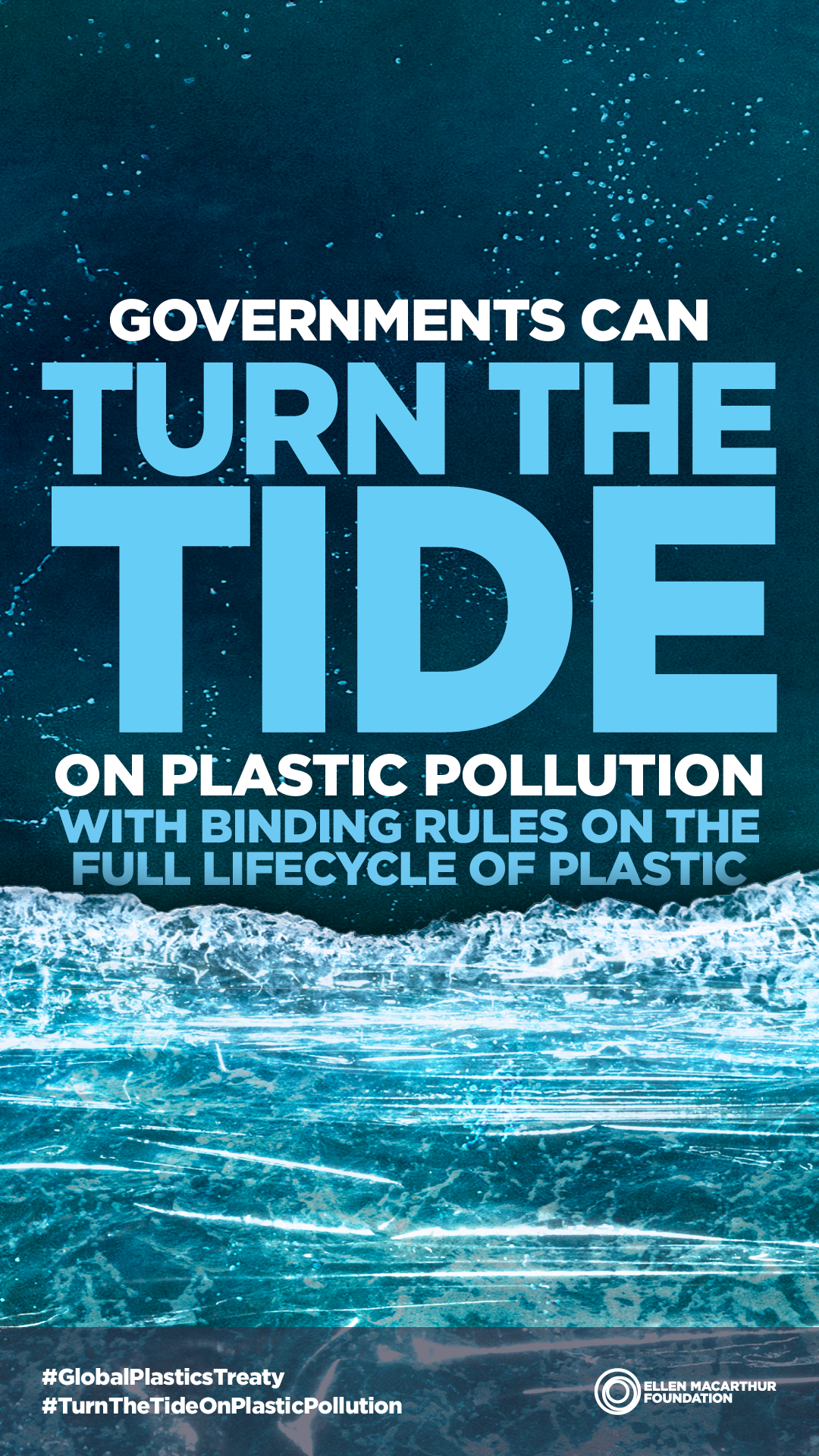
The United Nations is driving international action through Sustainable Development Goals and negotiations toward a legally binding global plastics treaty addressing the full life cycle of plastics.Plastic pollution is not just an environmental issue
It is a public health emergency, a climate challenge, and a justice issue—and one of the defining sustainability tests of the 21st century.
Every minute, the equivalent of two garbage trucks’ worth of plastic enters the world's oceans. Right now, between 75 and 199 million tons of plastic are already there — and roughly 15 million more tons are added each year. The ocean does not forget. Plastic does not biodegrade; it breaks apart into microplastics and nanoplastics, particles so small they are now found in the deepest ocean trenches, in the bodies of seabirds, in the fish we eat, and in human blood, lungs, and breast milk.
A Silent Killer in the Water
More than one million marine animals die each year from plastic ingestion or entanglement. Around 90% of seabirds have ingested plastic. Lost fishing gear — ghost gear — drifts silently through the ocean for decades, entangling dolphins, seals, sea turtles, and whales long after it has been forgotten. Ghost gear alone accounts for roughly 20% of all marine plastic pollution.
Microplastics don't just injure — they poison. They carry toxic additives including phthalates and bisphenols, chemicals linked to hormone disruption, reproductive harm, and developmental disorders. As they move up the food chain through bioaccumulation, these particles reach top predators — and us.
Cleanup Is Not Enough
Ocean cleanup initiatives — from large-scale barrier systems intercepting plastic in the Great Pacific Garbage Patch to community-led beach and river cleanups — are removing real plastic from real ecosystems. They matter. They protect local wildlife, reduce microplastic fragmentation, and demonstrate that people care.
But they cannot keep pace. With global plastic waste exceeding 400 million tons per year and recycling rates of just 5–6% in the US, the volume entering the ocean far outstrips what any cleanup effort can recover. As the UN puts it plainly: when your bathtub is overflowing, you reach for the tap before you reach for a mop.
Turning Off the Tap
Meaningful progress is happening. Single-use plastic bans are now in place in over 60 countries. The European Union has eliminated many single-use items. Nations like Rwanda and Kenya have among the world's strictest plastic bag bans. And the United Nations is advancing negotiations toward a legally binding global plastics treaty — one that addresses the full life cycle of plastics, from fossil fuel extraction to production, use, and disposal.
The science is clear: effective solutions require reducing production at source, redesigning materials, enforcing producer responsibility, and investing in waste infrastructure in the communities bearing the greatest burden — often coastal nations and low-income communities least responsible for the problem.
International and national action
Over 175 nations committed in 2022 to developing a legally binding UN Global Plastics Treaty. A coalition of around 100 countries has pushed for hard production limits and bans on the most dangerous plastic products — but talks collapsed in Busan in 2024 and again in Geneva in August 2025, with oil-producing nations and the United States blocking measures to reduce production. Negotiations continue into 2026. Meanwhile, countries are acting independently: the EU has restricted the ten most common single-use plastics found on beaches since 2021, and California banned disposable checkout bags as of January 2026. With 85% of people globally supporting single-use plastic bans, public pressure remains the strongest force pushing for the breakthrough which diplomacy has so far failed to deliver.
What enters the ocean eventually enters us. The choices made today will determine whether plastic continues to compromise planetary and human health — or whether we build systems that protect both.
Call to Action
Sign and share petitions directed at national governments urging them to support the High Ambition Coalition position at the next INC session — organizations like WWF, Greenpeace, and the Ellen MacArthur Foundation run active campaigns.
Contact elected representatives directly — in the US, the EPA and State Department receive public comment on treaty positions, and constituents contacting senators and congress members on foreign environmental policy does have an impact.
Divest and redirect spending — choosing products from companies with strong plastic reduction commitments, and avoiding brands that lobby against the treaty, sends a market signal that corporations pass upstream to governments.
Support the Break Free From Plastic movement — a global coalition of over 12,000 organizations that coordinates citizen pressure on both governments and producers simultaneously.
Demand corporate accountability — many multinational corporations headquartered in treaty-blocking countries are more sensitive to consumer and shareholder pressure than their governments are to diplomatic pressure. Shareholder resolutions on plastic production have gained real traction.
"The next key milestone is an informal meeting of Heads of Delegation in Nairobi, Kenya (June 30–July 3, 2026), followed by a second informal gathering in Bangkok, Thailand (September 27–30). The next formal negotiating session, INC-5.4, is scheduled for March 13–24, 2027."
The ocean has absorbed our plastic crisis for decades. The question now is whether we will act at the scale and speed the evidence demands — not just cleaning up the damage, but stopping it at its source.
Related Article