
Source: Adobe iStock
Carry Less, Protect More: The Case for Reusables
Every single-use item you replace is one less piece of plastic heading for the sea.
There’s a direct line between the coffee cup you grab on Monday morning and the albatross chick found dead on a remote Pacific atoll with a stomach full of plastic. It’s not a comfortable connection to sit with — but it’s a real one. Roughly 11 million metric tons of plastic enter the ocean every year, and a significant share of it begins its journey as the single-use items woven into our daily routines: disposable cups, plastic bags, water bottles, straws, food packaging.
“Roughly 11 million metric tons of plastic enter the ocean every year — much of it starting life as single-use items.”
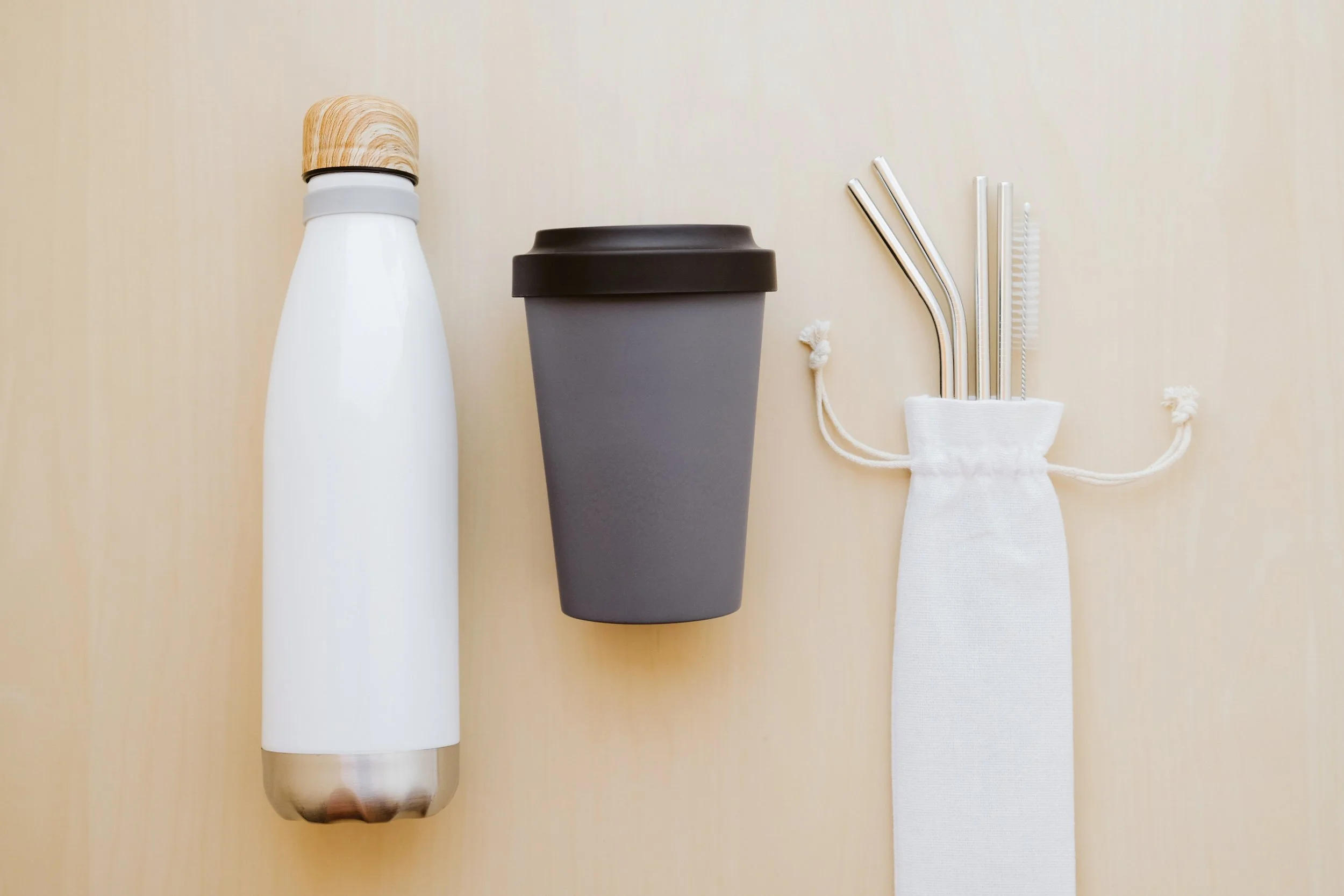
The good news: this is one of the most actionable problems in ocean conservation. Switching to reusable alternatives — a stainless steel water bottle, a canvas tote, a set of bamboo utensils, a reusable coffee cup — directly reduces the volume of disposable plastic in circulation. Unlike many environmental challenges that require systemic change first, this one responds immediately to individual choice.
Why Reusables Matter for Ocean Health
Plastic doesn’t biodegrade — it breaks down into progressively smaller fragments called microplastics, which now permeate every ocean environment on Earth, from the Mariana Trench to Arctic sea ice. Marine animals mistake plastic debris for food. Sea turtles ingest plastic bags they misidentify as jellyfish. Seabirds feed bottle caps and fragments to their chicks. Filter feeders like mussels and oysters accumulate microplastics in their tissue — and so do the people who eat them.
Reusables interrupt this pipeline at the source. A reusable water bottle used daily replaces approximately 156 single-use plastic bottles per year. A reusable bag used regularly displaces hundreds of single-use plastic bags over its lifetime. Multiply these numbers across millions of daily choices, and the impact on plastic flows into the ocean becomes significant.
Start Here: Easy Swaps with Real Impact
• Reusable water bottle — stainless steel or glass over single-use plastic
• Reusable coffee cup — most cafés accept them; many offer a small discount
• Canvas or mesh tote bags — keep them by the door so they’re always with you
• Reusable food containers — for takeout, leftovers, and packed lunches
• Bamboo or stainless utensils — a small kit for your bag or desk drawer
None of this requires perfection. You don’t have to eliminate every piece of single-use plastic from your life overnight. The goal is reduction — shifting your defaults so that reusables become the path of least resistance. The ocean doesn’t need you to do everything. It needs millions of people to do something.