
A Marine Plastic Treaty in the Making — and Why It Cannot Fail
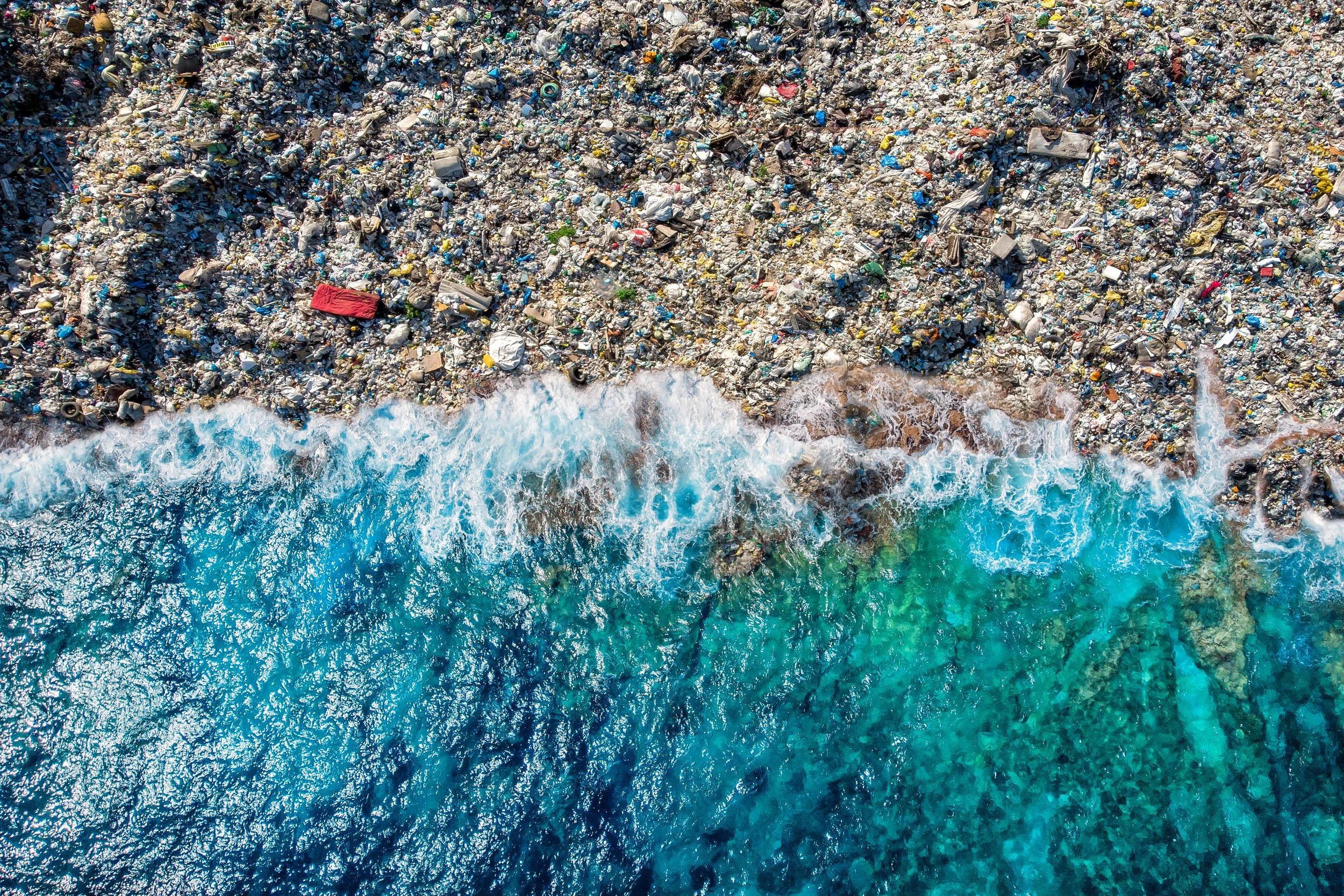
Plastic pollution washed ashore batters coastlines worldwide, transforming pristine shores into hazardous dumping grounds. Driven by ocean currents, tides, and severe storms, trash such as discarded fishing gear, microplastics, and single-use packaging blankets beaches. This relentless tide severely disrupts fragile marine ecosystems and local tourism.
Photo Source: Adobe iStock
The world is edging toward a historic agreement to end plastic pollution. But with negotiations stalled and powerful interests pushing back, the hardest work still lies ahead.
In 2022, 175 nations agreed that plastic pollution had become a global emergency requiring a legally binding international response. The Intergovernmental Negotiating Committee — the INC — was tasked with producing a treaty by the end of 2024. Four years and five bruising sessions later, that treaty still does not exist. But the process is alive, and the next formal session is set for March 2027.
The scale of political momentum is itself historic. Never before have so many nations committed to a binding instrument covering the full lifecycle of plastics — from fossil fuel extraction through production, use, and disposal. By INC-5.2 in Geneva, up to 120 countries had coalesced around core provisions: phasing out the most harmful plastic products and chemicals, and ensuring decisions could be made by majority vote. That coalition is a genuine and hard-won achievement.
“Plastic pollution is already in nature, in our oceans, and even in our bodies. If we continue on this trajectory, the whole world will be drowning in plastic — with massive consequences for our planetary, economic and human health.”
— Inger Andersen, Executive Director, UNEP
Despite that majority, a small bloc of oil-producing nations — including Saudi Arabia, Russia, and Iran — has repeatedly blocked binding production limits through procedural obstruction. After two consecutive failures to reach agreement, the INC’s original chair resigned. A new chair, Chilean Ambassador Julio Cordano, was elected in February 2026 and has released a roadmap to rebuild momentum.
What’s next: Informal Heads of Delegation meeting, Nairobi (June 30–July 3, 2026) · Second informal session, Bangkok (September 27–30) · Formal session INC-5.4, March 13–24, 2027.
A question of justice
Plastic pollution is not a neutral crisis. Its costs fall hardest on communities that produce it least — fishing villages in Southeast Asia, low-income neighborhoods, Pacific Island nations, and waste pickers handling toxic materials with bare hands. A treaty that addresses only waste management, while leaving production unconstrained, would entrench this injustice. The ocean has absorbed humanity’s plastic for decades. It cannot absorb much more.
Planetary and human health
The health stakes are equally urgent. Microplastics have been found in human blood, breast milk, lung tissue, and placentas. Endocrine-disrupting chemicals in plastics leach into food and water at every stage of a product’s life. And because plastic production is a fossil fuel industry, binding production limits would simultaneously cut plastic pollution and carbon emissions — making this one of the most consequential environmental agreements ever attempted.
“A treaty that only manages plastic waste is a treaty that manages the symptoms. What the ocean needs — what communities need — is a treaty that treats the cause.”
You can help. Support the Break Free From Plastic movement, contact your government representatives before INC-5.4, and make clear that the demand for a treaty with real teeth is not going away.
