
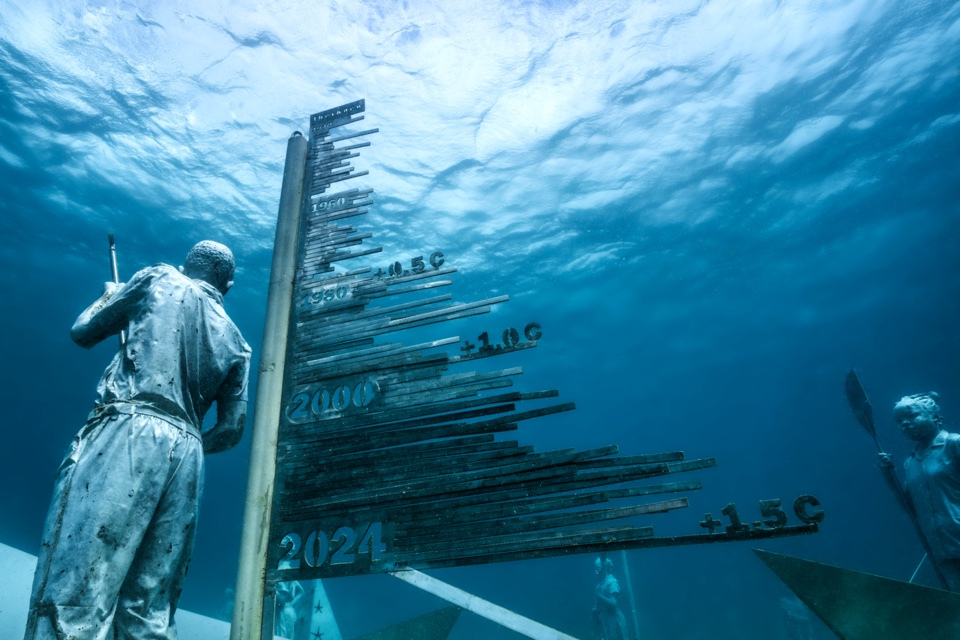
A World Adrift
Thirty boats. Thirty children's faces. Temperature data etched in steel at the bottom of the sea. Jason deCaires Taylor called it a warning. Then, the earliest Atlantic Category 4 hurricane on record arrived.
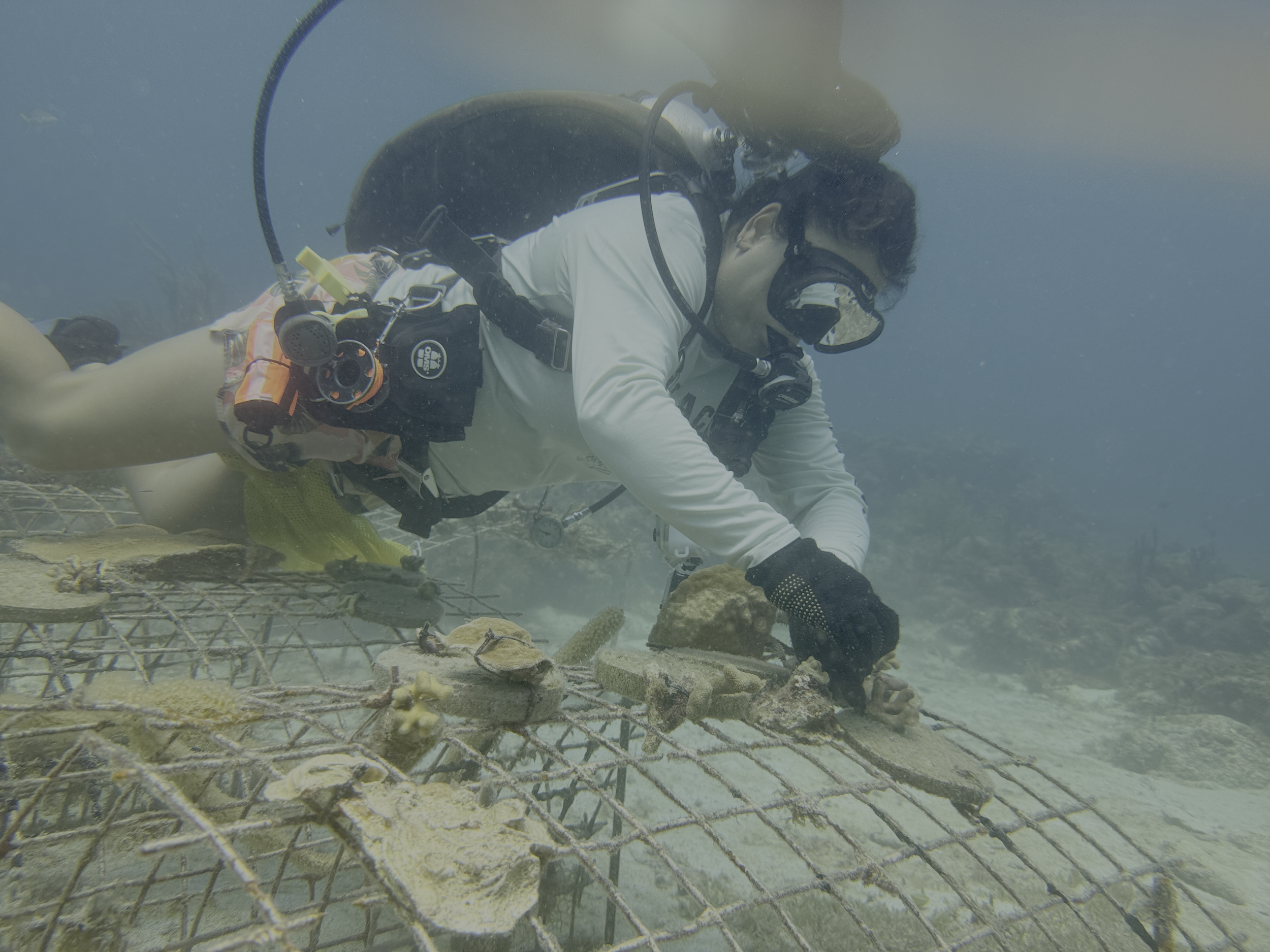
Week One in Carriacou: Come Join Us
If you love coral reefs and want real, hands-on experience doing something about it — not donating, not sharing a post, but actually getting in the water and working — this one's for you.
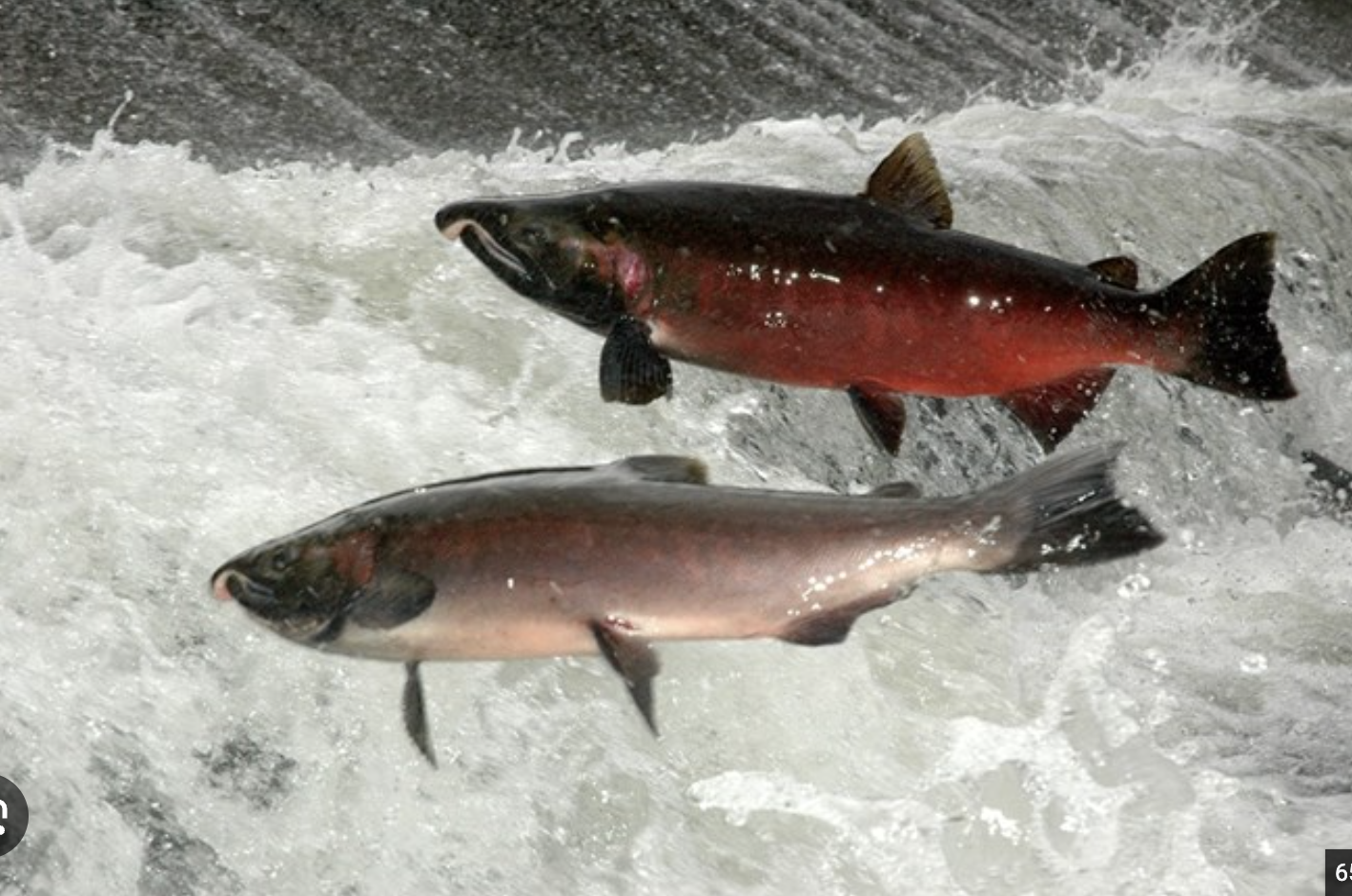
Washington State Tore Down 2 Dams on the Elwha — What the Salmon Did Next Was Unbelievable
One tribe fought for a century. An activist painted a fake crack on concrete at night. Scientists watched in awe as nature rewrote their models. This is the story of what happens when a river gets its freedom back — and why it matters for every coastline on Earth.
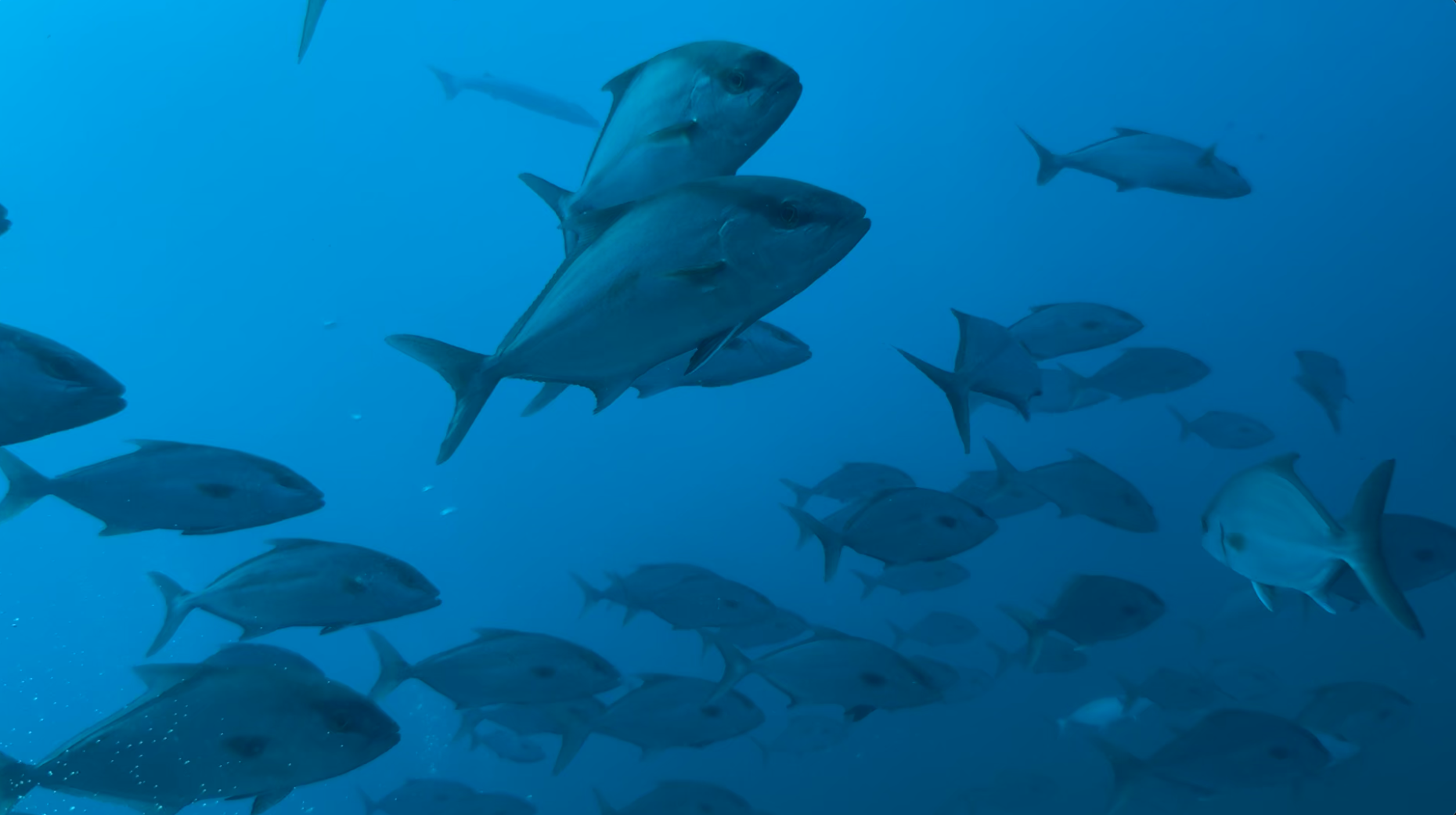
Getting My Blue On — And Why the Ocean Still Needs Us
I call it getting my "Blue On." Wallace J. Nichols coined the term "Blue Mind" to describe the mildly meditative, calm state the brain enters when a person is near, in, on, or under water. His research shows that proximity to water decreases the stress hormone cortisol while increasing feel-good neurotransmitters like dopamine, serotonin, and oxytocin. For ocean journalists, it's not just a mood boost — it's a reminder of exactly what we're fighting for.
We Saw a Living Fossil — And It Might Not Be Around Much Longer
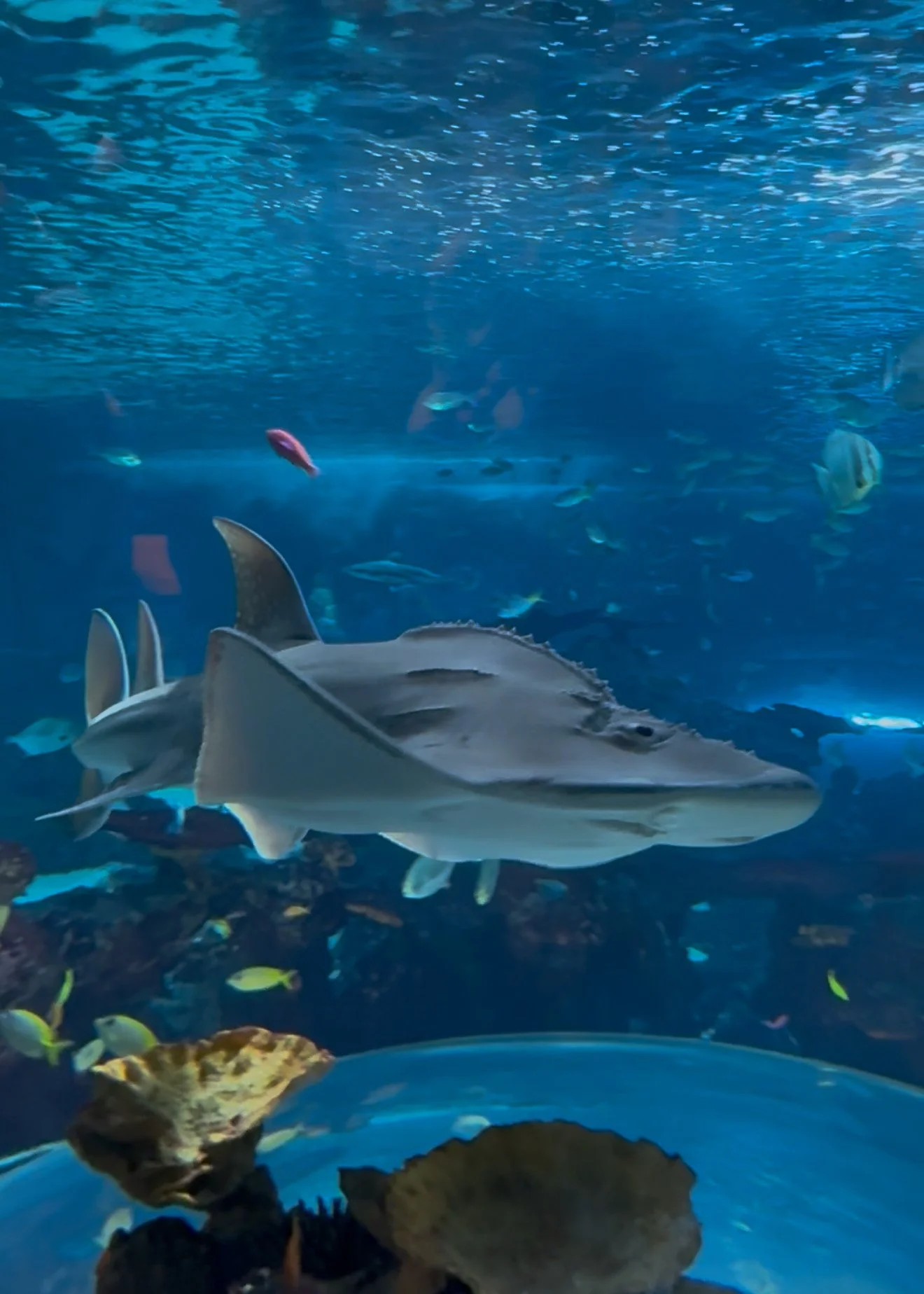
The bowmouth guitarfish (Rhina ancylostomus) has existed in its current form for millions of years. Millions. It outlasted the dinosaurs. It was swimming through ancient Indo-Pacific seas long before humans ever set foot on a coastline. Its common name comes from its longbow-shaped mouth and guitar-shaped body.
Bowmouth guitarfish is Critically Endangered — the highest risk category before extinction in the wild. Fishing records suggest we've lost more than 80% of the species in recent years. Aquarium representatives from around the world, along with academic partners and conservation leaders, gathered at Shedd Aquarium in Chicago to discuss how aquariums can help prevent the extinction of bowmouth guitarfish
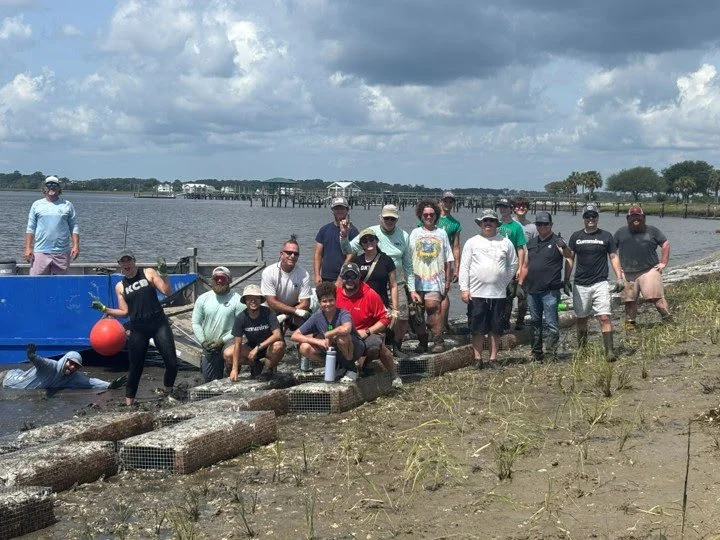
Mud, Wire, and Oyster Shells: The Volunteers Rebuilding South Carolina's Living Shoreline
South Carolina's tidal marshes are some of the most productive ecosystems on Earth. Spartina grass filters runoff. Fiddler crabs aerate the mud. Shrimp, redfish, and blue crab breed in the shallow creeks. And oyster reefs — the foundation of it all — armor the shoreline against the relentless energy of boat wake and storm surge.
But those reefs are disappearing. Dredging, development, and decades of harvest without adequate restoration have stripped the hard substrate that oyster larvae need to survive. A larval oyster — microscopic, swimming blind on tiny hair-like cilia — has roughly three weeks to find a suitable hard surface before it dies. In many stretches of South Carolina's coast, that surface is gone. The larvae drift past, settle in mud, and perish.
Teaching Through the Marsh
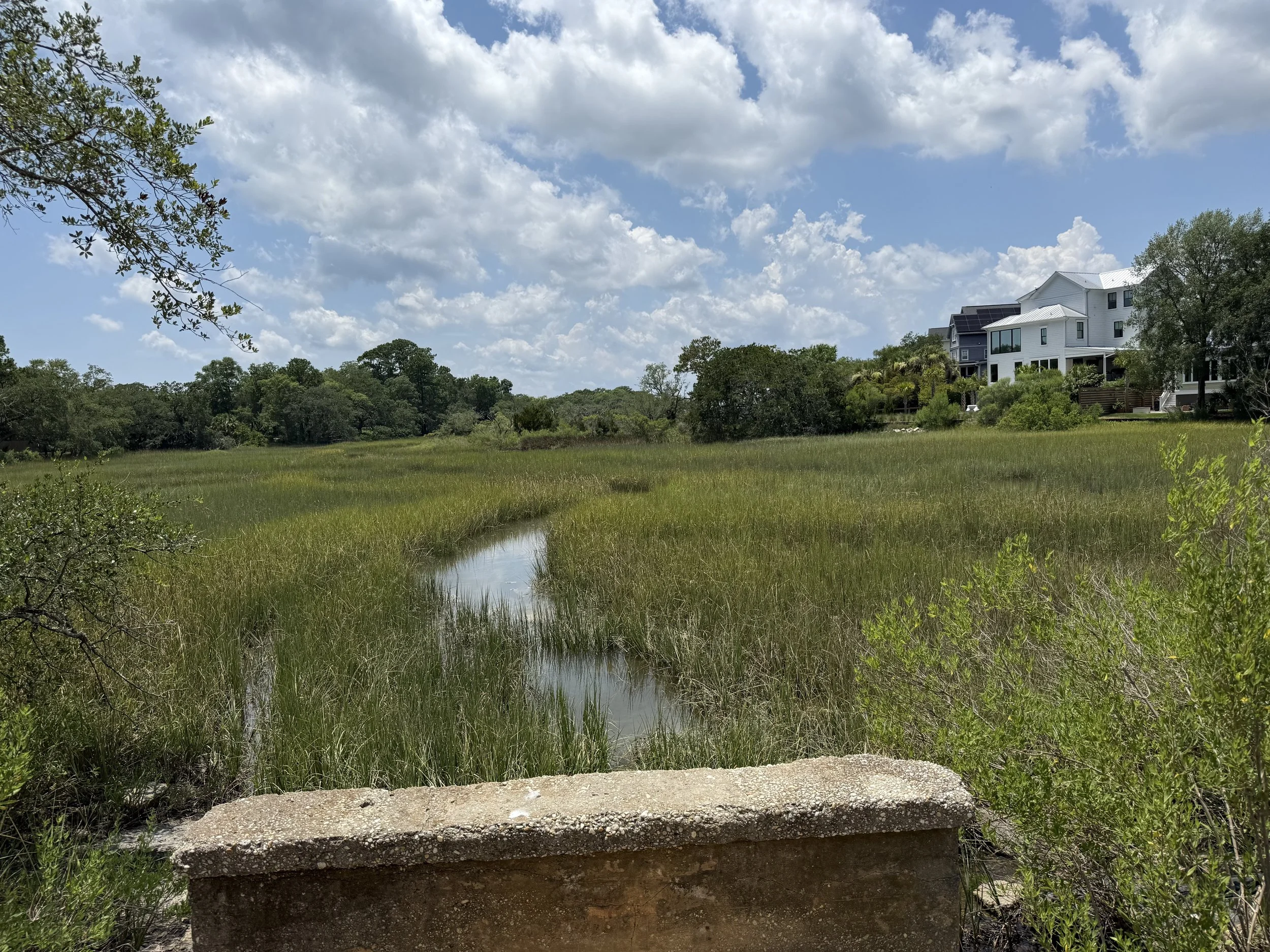
Dr. Blake C. Scott transformed a pandemic evacuation into Charleston's first urban ecological corridor. In early 2020, he was teaching students in Havana about how landscapes reflect human history, from revolutions to ecotourism. When COVID-19 forced an abrupt college evacuation, Scott sought a local project to apply those lessons. The answer was in his backyard: Halsey Creek, which was suffering from development, trash, and ecological degradation. Its natural functions—water filtration, storm-surge protection, and habitat for fish and birds—were declining.
Working with the Preservation Society of Charleston and the College of Charleston Library, Dr. Scott spent months reconstructing the story of Gibbs Landing and Halsey Creek. What emerged was not just local history but a chronicle of four centuries – every event these waters witnessed. His class canvassed and educated the neighbors of Wagener Terrace about their history, from the English settlers' first landing across the Ashley River to the British encampment during the Revolutionary War and to its use as a Civil War prisoner-of-war camp.
In 2022, Blake and two neighbors organized a marsh cleanup with 50 people. The group became known as the M.A.R.S.H. Project. Dr. Scott and co-founders proved that a community that knows its landscape and history will act to protect it, and that joy and connection are key tools for conservation. The acronym stands for the Marsh Appreciation and Restoration Society for Happiness, emphasizing happiness.