
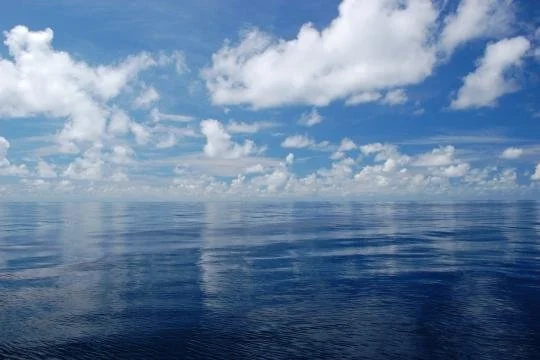
Act now to reduce both global and local threats and safeguard shore and ocean ecosystems for the future:
Reduce your carbon footprint. Be a conscious consumer. Choose sustainability caught seafood and eco-conscious tourism and marine recreation providers. Avoid buying souvenirs made from marine species.

So, What Can We Do About Conserving the Ocean?
Individual Acts to Reduce Threats and Safeguard Our Ocean Environment
Choose sustainable seafood. The Monterey Bay Aquarium Seafood Watch has been providing a reference for choices for over 25 years.
Be gentle with coral. Follow local regulations while near reefs, dive and snorkel carefully, and never touch coral. Check out: Diver Alert Network Environmental Stewardship for Divers.
Visit and support marine protected areas (MPAs). These areas help preserve coral reefs and support reef resilience and recovery. Locate MPAs near your next dive location by visiting the Mission Blue interactive map on their website.
Volunteer for projects to protect our waterways.
Nearly all our water passes lead towards the ocean as part of the hydrologic cycle.
Even if you live far from the ocean, chemicals and plastics can travel into our waters, creating dead zones with low oxygen and even entering our food supply. Check out these nonprofits working to protect waterways across the United States and around the world. These organizations focus on issues like conservation, pollution prevention, habitat restoration, and advocating for clean water laws and community access.







American Rivers: Focuses on protecting wild rivers, restoring damaged ones, and conserving clean water resources.
Waterkeeper Alliance: A global coalition of local organizations, each dedicated to protecting their specific waterways for the goals of “drinkable, fishable, swimmable water everywhere.”
International Rivers: A dedicated group of volunteers united around a shared vision to develop a worldwide network to protect rivers and promote just and sustainable energy options.
American Whitewater a membership organization focused on conserving and restoring whitewater rivers and ensuring safe recreational access to them.
The Natural Conservancy Collaborates with scientists and communities on a range of conservation priorities, including protecting clean waterways and restoring natural habitats.
Chesapeake Bay Foundation Works to save the Chesapeake Bay through restoration and advocacy.
Clean Water Action advocates for legislation in United States to protect water resources, such as the Clean Water Act.
Water Mission is a Christian engineering nonprofit that builds sustainable safe water solutions for people in developing countries, refugee camps, and disaster areas.
Conservation International: Uses science, policy, and fieldwork to find solutions for protecting freshwater ecosystems and biodiversity.
Trout Unlimited: Focuses on conserving North American fisheries and the watersheds they depend on.
Collectively, we can encourage policies that support renewable energy, boost energy efficiency, and reduce emissions.
Every action truly makes a difference—whether you're voting for leaders who prioritize climate issues, encouraging lawmakers to implement important laws like carbon pricing or cap-and-trade, or inspiring governments to invest in green infrastructure and research.
Get involved with great organizations focusing on issues like Greenpeace, the Environmental Defense Fund, and the Natural Resources Defense Council (NRDC) to support changes in our socio-economic systems that help reduce global and ocean warming. There are also groups such as the United Nations, the Climate Action Network, and others that focus on international treaties, grassroots movements, and marine conservation efforts. These organizations use a variety of approaches, from policy advocacy and legal challenges to public awareness campaigns and direct action, all working together to promote practical solutions.
· Supporting international efforts, such as the Paris Agreement, is also key.
· Advocating for a shift from fossil fuels to renewables such as solar and wind. Government funding for clean energy projects, including grid improvements and electric vehicle charging stations, plays a vital role.
· Supporting market-based approaches, such as carbon taxes and cap-and-trade, motivates companies to cut emissions.
· We can make a difference by reaching out to officials through calls, letters, or meetings, and by supporting candidates who prioritize climate policies.
· Lobbying businesses and politicians, joining social and political groups focused on climate action, and promoting research and conservation—such as funding scientific studies and protecting natural carbon sinks through afforestation, reforestation, and marine conservation—are all impactful steps.
· Finally, ensuring we adhere to international agreements, such as the Paris Agreement, helps coordinate global efforts to limit warming and protect our planet.