
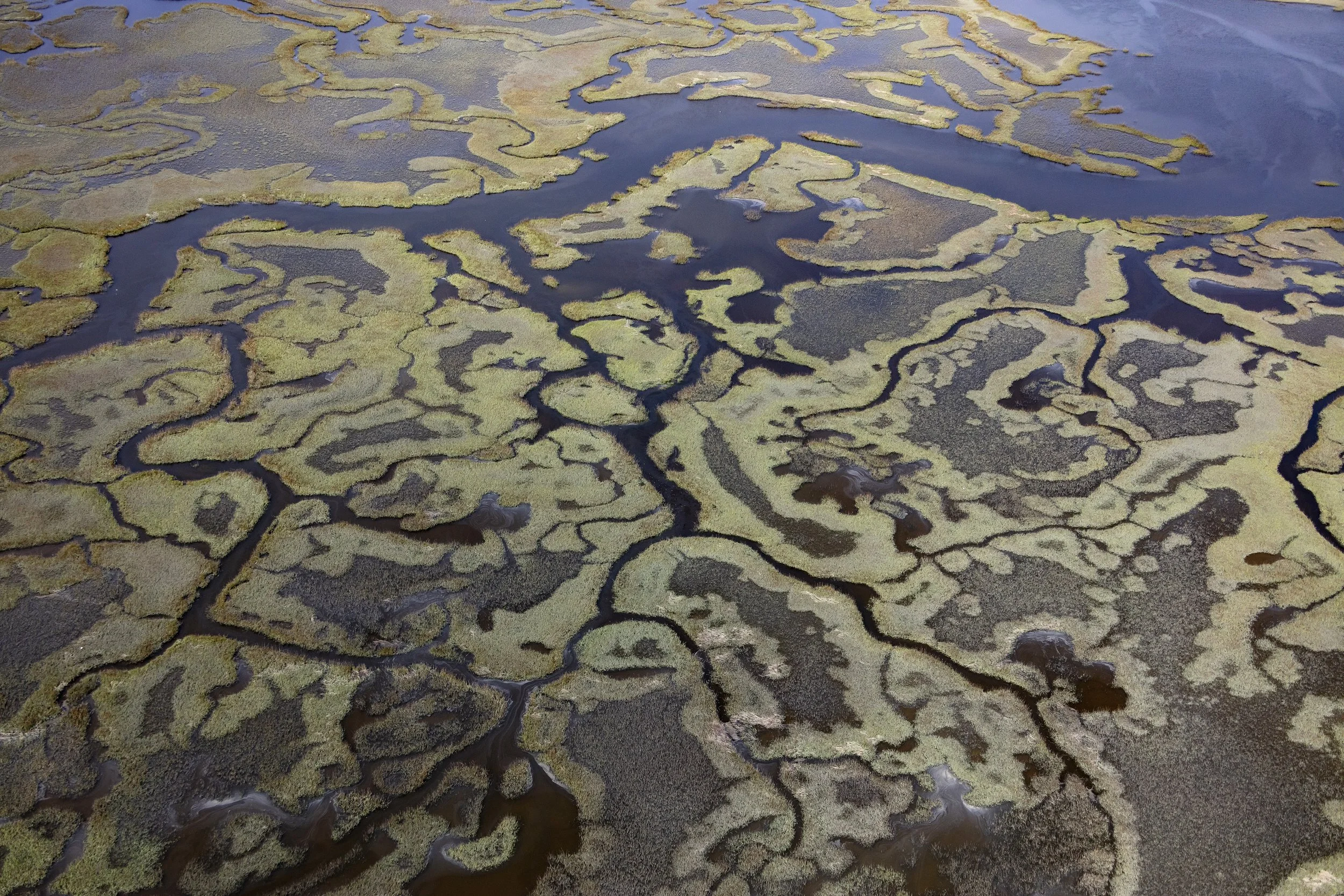
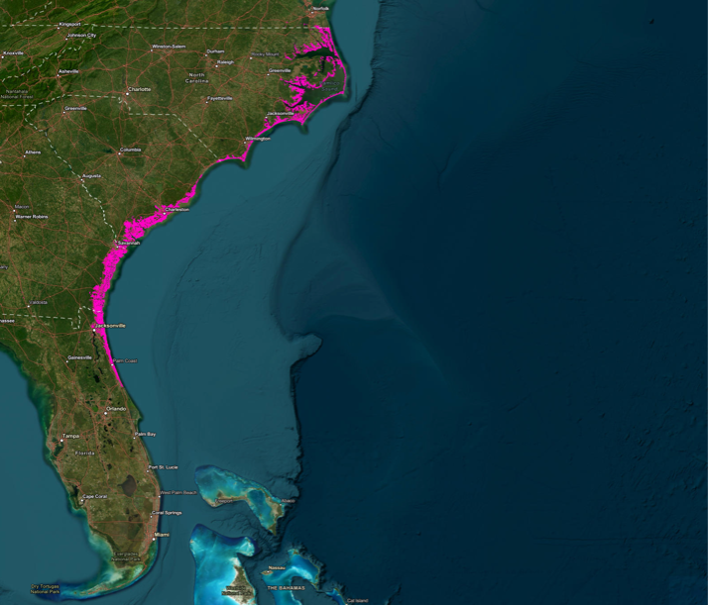
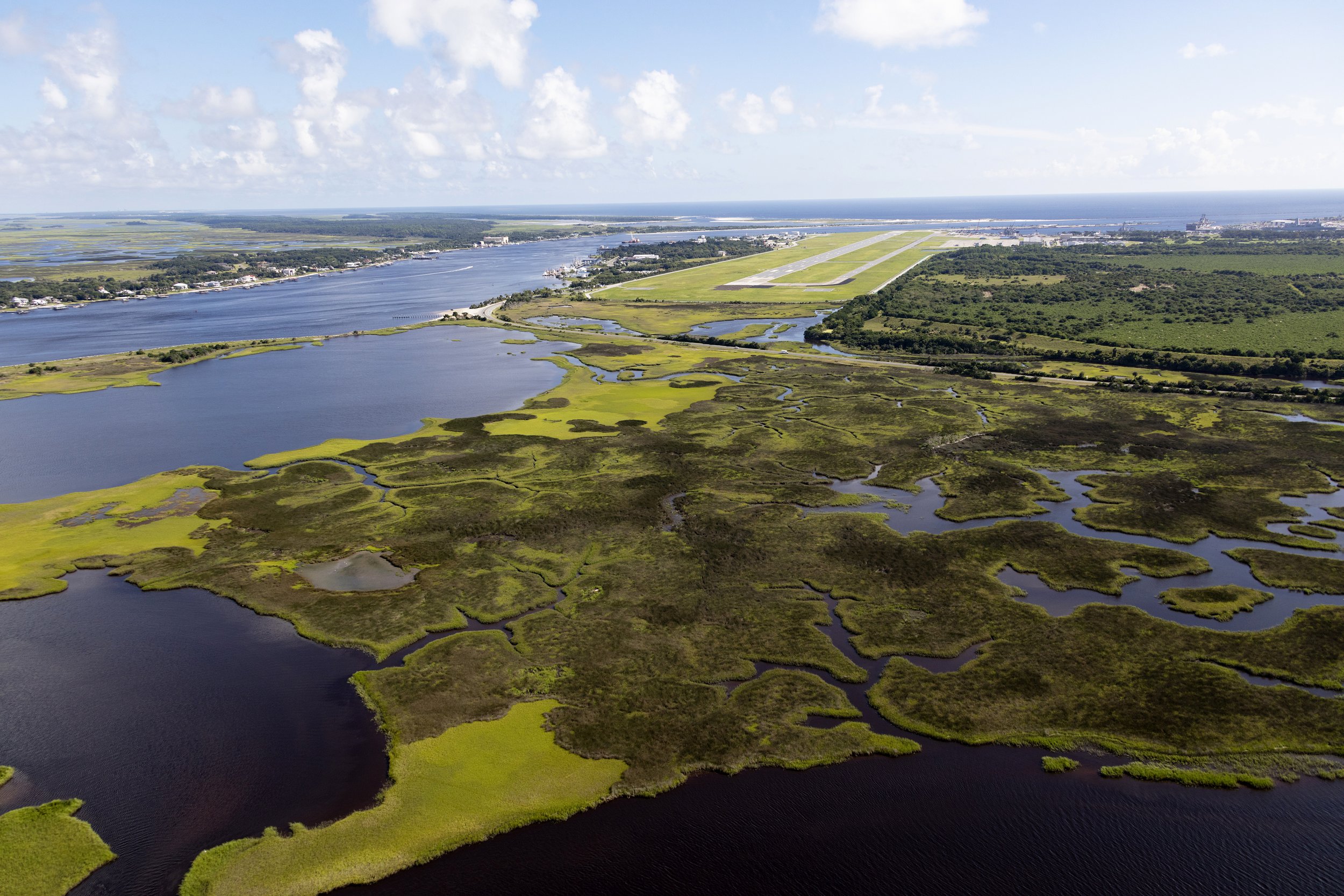
Every minute, a football field-sized patch of South Atlantic marshland vanishes into the sea, a reality that Lora Clarke, a passionate advocate from Pew Charitable Trusts, feels deeply. The initiative aims to conserve 1 million acres of salt marshes from North Carolina to east-central Florida, and Lora is committed to making it happen.
“We're facing an urgent situation,” she explains, leaning in as if sharing a secret. “These marshes are critical not just for the environment but for our coastal communities. They provide natural protection against storms and help clean our water. Plus, they capture carbon, lots of it. In fact, they can absorb more CO2 per acre than many forests!”
As Lora speaks, her passion for salt marshes radiates. She highlights that conserving these ecosystems is vital for both local wildlife and human communities.
The Heart of the Marsh
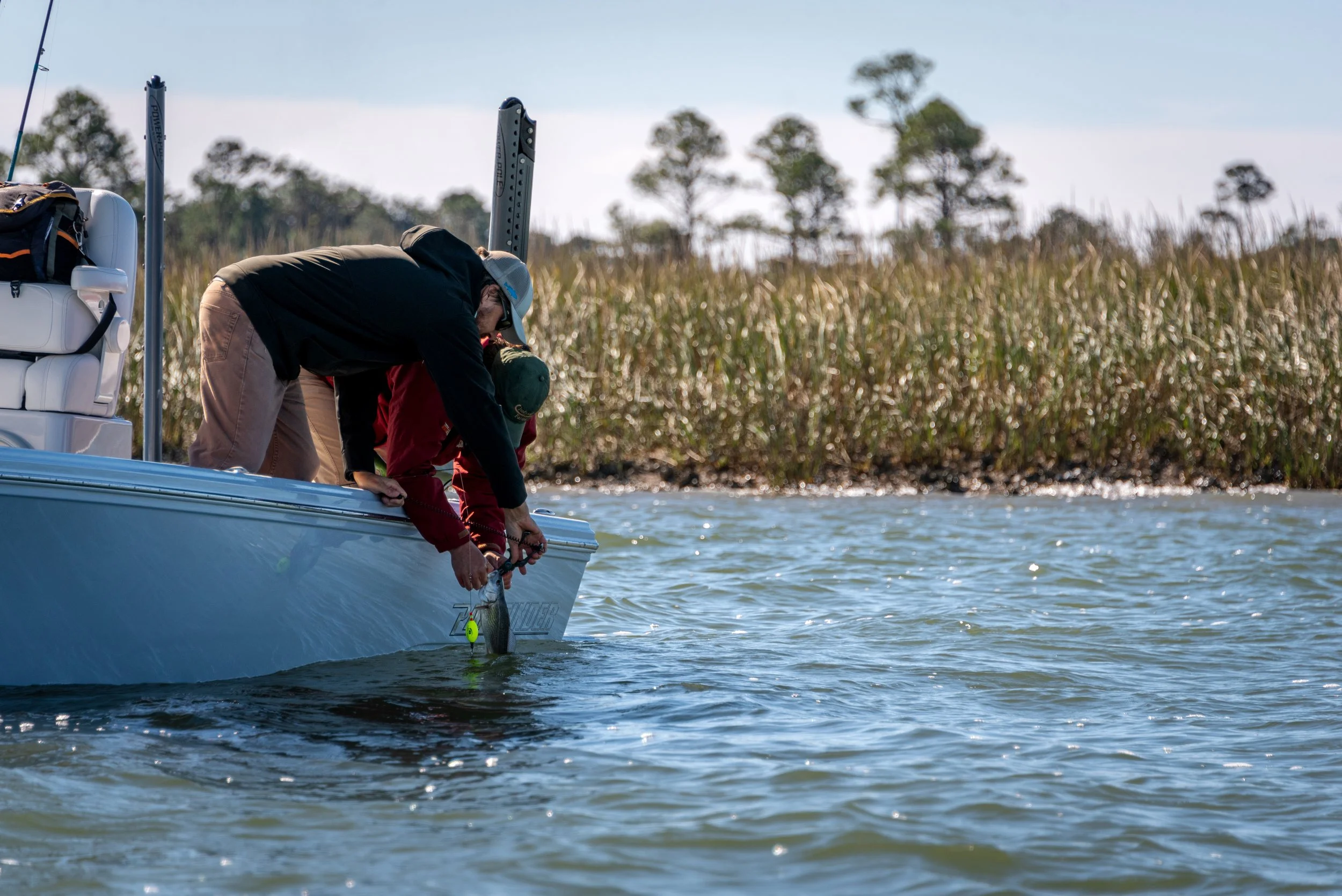
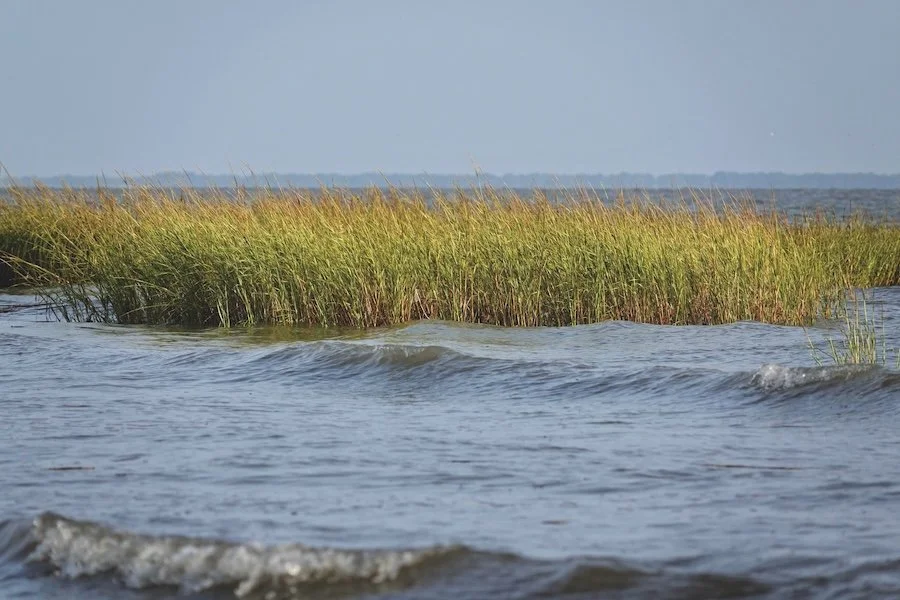
“Salt marshes are like nature’s superheroes,” Lora says, her eyes lighting up. “They provide homes for all sorts of creatures like fish, birds, and invertebrates. For instance, take Joe, a local fisherman I met. He’s relied on these marshes for over twenty years. They’re prime spots for catching juvenile fish, which means a healthy population for his livelihood. And then there are birdwatchers like Mary, who find joy in the diverse species that visit these marshes. It’s all interconnected.”
She pauses for a moment, letting the images of Joe and Mary sink in. “These marshes are not just pretty landscapes; they’re vital for our economy and our way of life.”
The Carbon Connection
Lora then shifts the conversation to a topic that’s close to her heart: carbon sequestration. “Salt marshes are incredible at capturing carbon. They can sequester between 2 and 4 metric tons of CO2 per acre each year! Just think about it, by preserving these areas, we’re tackling climate change while benefiting our communities.”
As she shares this, it becomes clear that Lora sees the bigger picture. “When we protect these marshes, we’re investing in our future. They help regulate the climate, support biodiversity, and provide a host of ecosystem services that we all rely on.”
A Natural Defense System
Lora points out that salt marshes act like natural buffers against extreme weather. “When storms hit, these marshes absorb the impact, protecting homes and businesses from flooding and erosion. They literally save lives and property,” she explains passionately.
She continues, “But it’s not just about protection. These ecosystems also improve water quality by filtering out pollutants and providing recreational opportunities. Families can fish, kayak, and enjoy nature—all thanks to healthy marshes.”
Facing the Challenge
However, Lora is realistic about the challenges ahead. “Salt marshes are facing serious threats. Rising sea levels. stronger storms, and development are all putting pressure on these vital ecosystems. If we don’t act now, we risk losing them forever.”
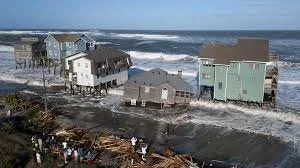
She recounts a story of a recent storm that devastated local marshlands, stripping away vital habitats and affecting the wildlife that depanded on them. “it’s a wake-up call,” she says. “We need to come together as a community to protect and restore these marshes.”
Community Involvement
Lora believes that community involement is crucial for the success of SASMI. “ We need everyone on board. It’s about educating and engaging local populations in restoration projects. When people understand the importance of salt marshes, they’re more likely to get involved.”
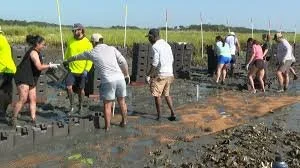
She shares the inspiring story of Sarah Johnson, a local volunteer who recently participated in a marsh restoration project. "Sarah told me that working in the marshes gave her a deeper appreciation for the environment. It's amazing to see how one person's passion can inspire others to take action."
A Call to Action
As our conversation wraps up, Lora emphasizes the importance of collective action. "Join us in advocating for local policies, supporting funding, and engaging in community restoration projects. Every effort counts," she urges.
"Protecting these marshes is not just about saving the environment; it's about securing our livelihoods, our homes, and our way of life. Together, we can build resilient coastal communities and ensure that our marshes continue to thrive for generations to come."
In that moment, it becomes clear that Lora Clarke is not just an advocate for salt marshes; she is a champion for the communities and ecosystems that depend on them. Her vision for the South Atlantic Salt Marsh Initiative is one of hope, resilience, and the power of collective action to protect our planet.
If you would like to find out more about the South America Salt Marsh Initiative check out this video
