
What Nature Destroyed Impassioned Citizens Restored: The Story of New Crab Bank - a Seabird Sanctuary
On September 23, 2025, we had a wonderful experience on Charleston Water Keepers' boat excursion called "Word on the Water." This event is part of their series designed to engage community members who are involved in protecting Charleston's waterways.
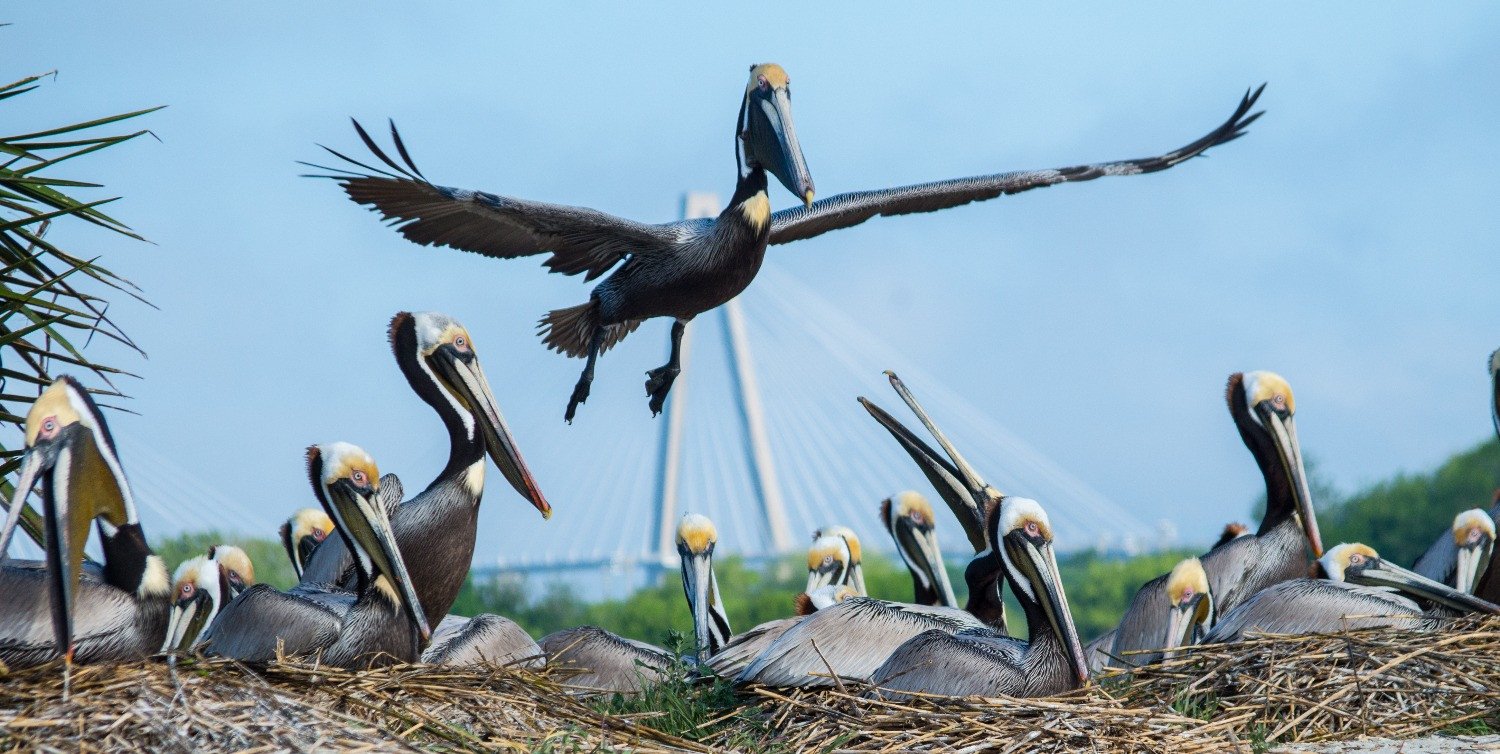
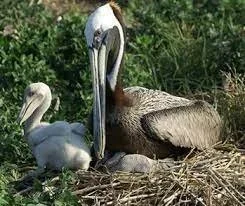
Our tour guide Chris Crolley, a naturalist and the leader of Coastal Expeditions, began by saying, "As we float just off the shore of Crab Bank, I can’t help but smile as I watch juvenile pelicans stretching their wings alongside their parents. You can identify the juveniles by their lighter coloration, and if you look further back in the brush, you may spot hatchlings still in all-white plumage. You might be among the first people to see these juvenile pelicans, as the island is closed to the public from March 15 to October 15 to protect the nesting birds." He also explained that this year, the South Carolina Department of Natural Resources (SC DNR) counted 155 brown pelican nests on the newly restored Crab Bank, marking the first successful pelican nesting season since its restoration. The sight of these young birds preparing for their first flights serves as a beautiful reminder of the vital role this sanctuary plays in supporting our coastal wildlife.
It wasn’t always this way. In 2017, Hurricane Irma caused significant damage to Crab Bank, washing away much of the vital nesting habitat for birds. This loss affected our community deeply, as Crab Bank was not just an island; it was a beloved location for birdwatchers, kayakers, and nature lovers, easily accessible from Shem Creek and located within Charleston Harbor. We all recognized the need to take action to restore it. The impact was even greater due to habitat loss in another offshore bird sanctuary - Deveaux Bank, situated between Edisto Island and Seabrook Island, in Charleston County, South Carolina. More recently, Tropical Storm Idalia in late 2023 caused severe erosion on Deveaux Bank, submerging two-thirds of the island during mid- and high tides, and reducing its overall size by as much as 75%.
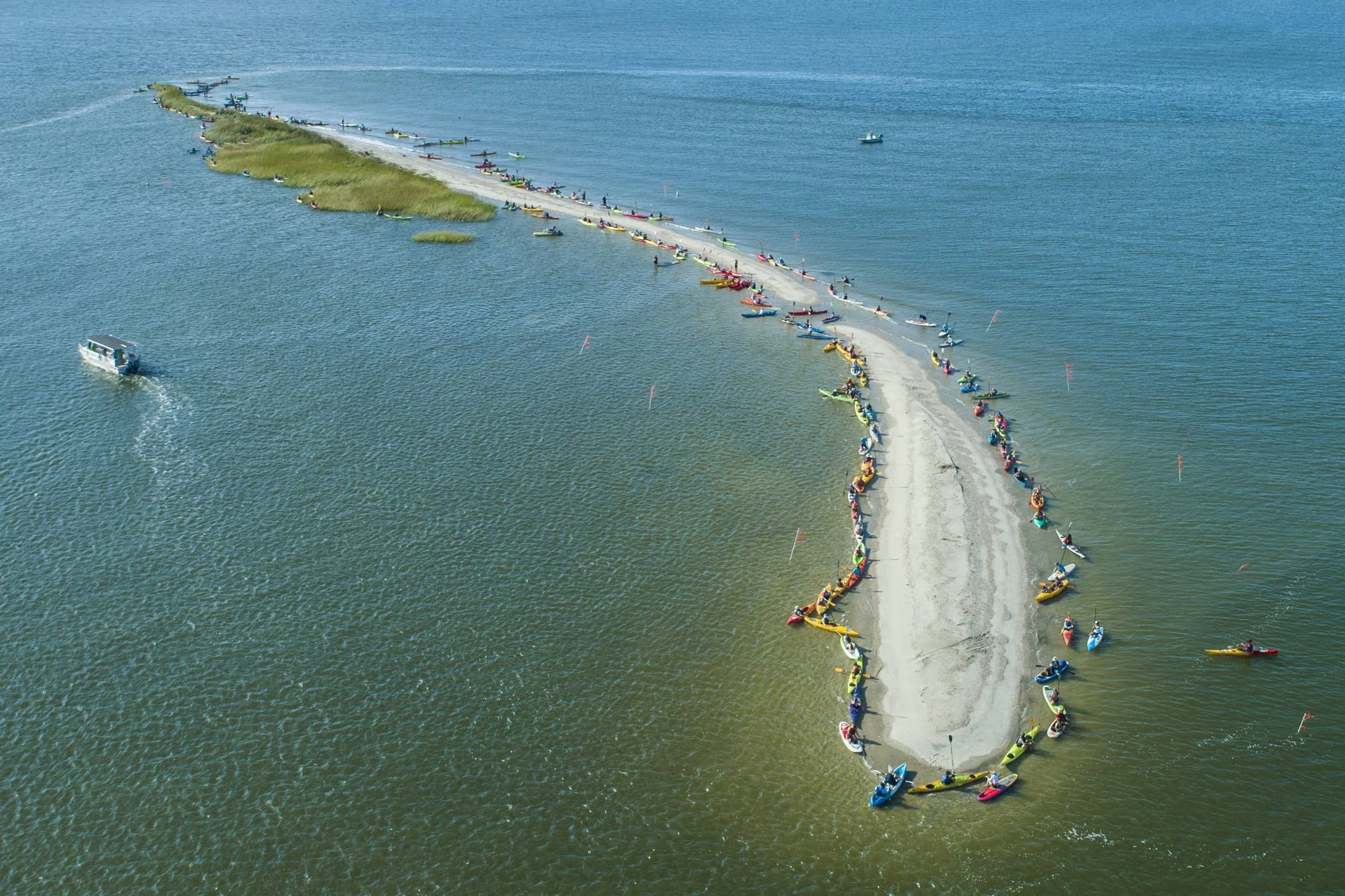
Local Kayak fund rising event with kayakers surrounding the remnants of Crab Bank after Hurricane Irma. Photo Credit: Post and Courier, Nov 8, 2018
Our Community Coming Together for Restoration Following Hurricane Irma, the idea of using dredged material from a nearby operation to restore Crab Bank emerged. In 2017, the South Carolina Coastal Bird Conservation Program was established by organizations like the South Carolina Department of Natural Resources (SCDNR), Audubon South Carolina, the Coastal Conservation League, and Coastal Expeditions. Their mission was to raise funds and coordinate efforts to protect coastal birds and their habitats.
In early 2018, the U.S. Water Resources Development Act (WRDA) aimed to fund projects using dredged material from the Charleston Harbor dredging project. SC DNR submitted a proposal in March to cover the full restoration costs of Crab Bank Seabird Sanctuary. Just before Christmas, they were thrilled to learn that their project was one of the 10 successful pilot projects!
With federal funding, SCDNR collaborated with Audubon South Carolina, the Coastal Conservation League, and Coastal Expeditions to implement natural stabilization measures, such as living shorelines, to enhance the island's lifespan and shorebird habitats. A remarkable part of this effort has been the community's commitment to fundraising. Over $1 million was raised for the restoration project, thanks to the collaborative efforts of these same organizations. Local businesses, including Boeing, contributed significant funds while schoolchildren organized bake sales and events to support the cause. It was inspiring to see so many people come together with a shared
The Mount Pleasant Planning Commission focused on the Crab Bank restoration, during which shrimpers and town officials expressed concerns that the U.S. Army Corps of Engineers (USACE) plan for the placement of dredged material would harm the navigability of Shem Creek. They feared it would lead to the filling in of Shem Creek’s mouth, risking business closures. In response, the Mount Pleasant hired a firm that recommended placing the material 1,400 feet southeast. This alternative location could extend the island's lifespan by up to 30 years and reduce navigational risks by 50%. After public meetings and negotiations, USACE, SCDNR, and local leaders agreed to the revised plan.
A New Beginning for Birds
In late 2025, we received fantastic news: the SCDNR reported the return of over 150 nests on Crab Bank, marking a successful return for the island’s seabirds. To ensure the young pelican chicks could develop safely, we extended seasonal closures on the eastern end of the island while reopening the western end for public access.
Every time I take my kayak out to Crab Bank, it’s rewarding to see the results of our collective efforts. The sanctuary is thriving once again, and it’s a reminder of what we can achieve when we work together.
The Importance of Crab Bank for
Migratory Birds
Crab Bank Seabird Sanctuary is known as a critical rookery for brown pelicans, royal terns, and various egrets and herons. Its protected status provides a secure environment essential for the survival and breeding success of these coastal birds. Crab bank is also vital for migratory bird populations, serving as a key nesting and resting site.
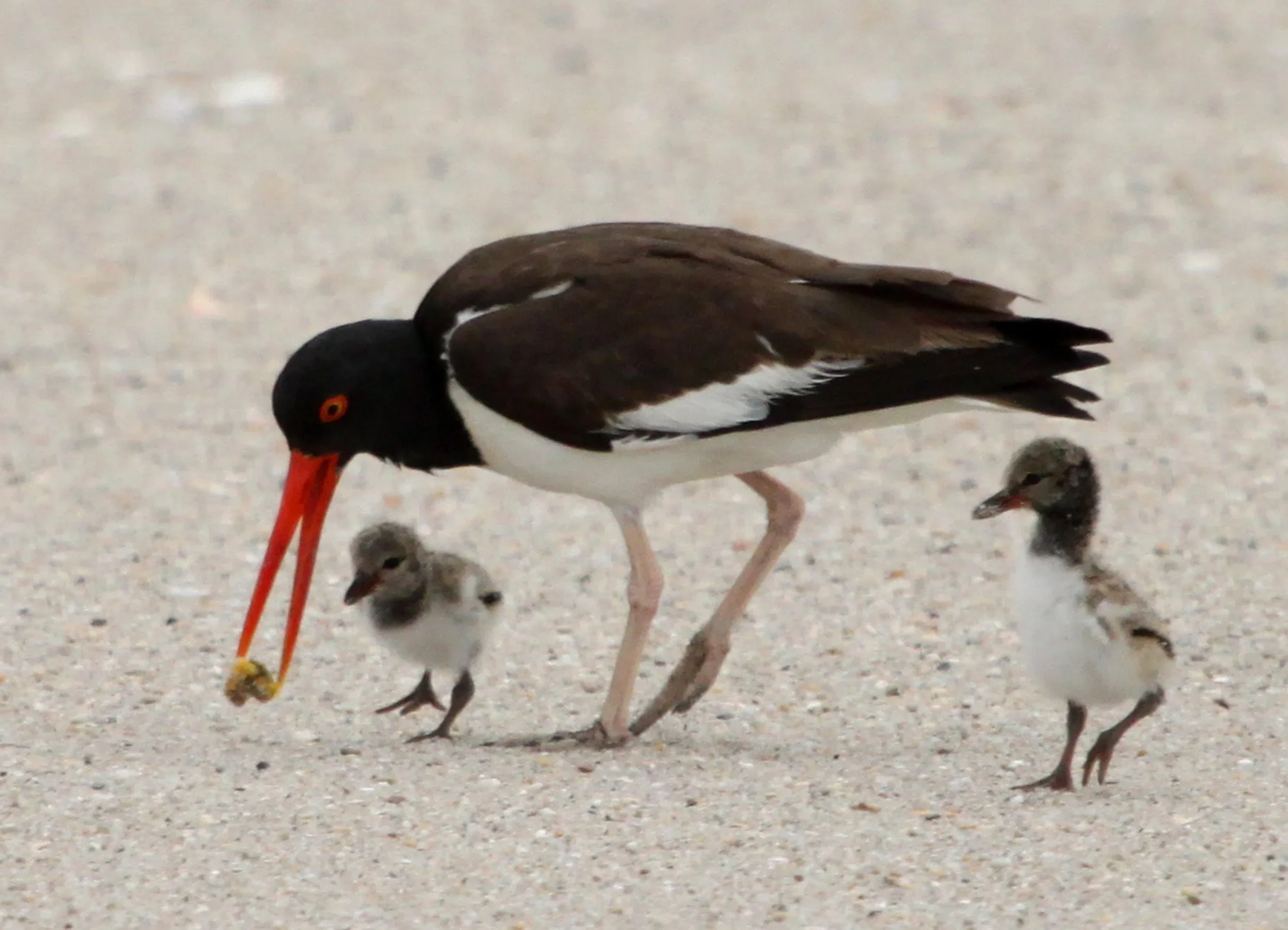
Each year, thousands of seabirds depend on this sanctuary during their migration along the Atlantic Flyway. Species such as the American oystercatcher and the gull-billed terns rely on Crab Bank for safe nesting grounds, where they can raise their young away from predators and disturbances. Black skimmers migrate south along the east coast of North and South America, with northern populations moving from their breeding grounds in the US to wintering grounds in the Caribbean and northern South America. They typically fly south along the Atlantic Coast, sometimes congregating in large numbers in places like South Carolina before departing for the warmer Caribbean and South American habitats for the winter. The island’s restoration ensures these birds can return to a safe environment, helping keep their populations stable. The island is designated as. an “Important Bird Area” by the National Audubon Society.
In addition to Crab Bank, SC DNR manages four other primary offshore locations. These four islands, Crab Bird Key Stone, Deveaux Bank, North Santee Bay, and Tomkins Island, account for approximately 90% of the state’s seabird nesting habitat. These islands face challenges primarily related to habitat loss from erosion, storm damage, and rising sea levels, as well as human disturbance and increased predation.
The Restoration Process
With a solid plan in place and ample funding secured, we moved forward with the restoration. The Army Corps of Engineers added about 660,000 cubic yards of sediment back to Crab Bank, expanding the island to nearly 32 acres. It was a team effort, and it felt rewarding to know our community was making a real difference.
In December 2021, we celebrated the completion of the restoration on time and below budget. Crab Bank was ready to welcome back the birds that had once called it home.
Continuing the Legacy
The success of Crab Bank highlights the importance of preserving our coastal habitats, especially for migratory birds. It’s not just about the island itself; it’s about supporting the wildlife and the community that relies on these natural spaces. If you enjoy the coast, I encourage you to support local conservation efforts, respect wildlife habitats, and share your love for our environment with others. Together, we can help ensure that places like Crab Bank continue to flourish for years to come.
The story of Crab Bank Seabird Sanctuary highlights the incredible impact a small group of passionate individuals can have when they unite to protect their environment. Following the devastation from Hurricane Irma and other storms, this community worked with local organizations, state agencies, and federal programs, raising over $1 million for restoration efforts. By collaborating with the South Carolina Department of Natural Resources and the U.S. Army Corps of Engineers, they successfully developed a comprehensive plan that not only restored vital seabird habitats but also demonstrated the power of collective action in driving meaningful environmental change.