
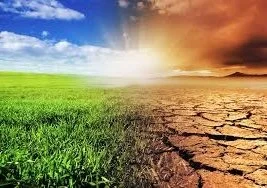
Simple Truths About Climate Change
Please that I have added references to the facts about climate change. I have done this because facts and truth matter to combat misinformation. You can locate the reference footm=noted at the end of this article.
In the evolving landscape of 2025, the conversation surrounding climate change continues to be shaped by a struggle between rigorous scientific data and persistent misconceptions. While global understanding of the crisis has grown, misinformation—often spread through social media and powerful political figures—frequently complicates public perception and delays critical action.
The following sections provide a detailed breakdown of the most common myths and the corresponding scientific truths, incorporating the latest findings from 2024 and late 2025.
Myth 1: "The climate has always changed naturally; today is no different."
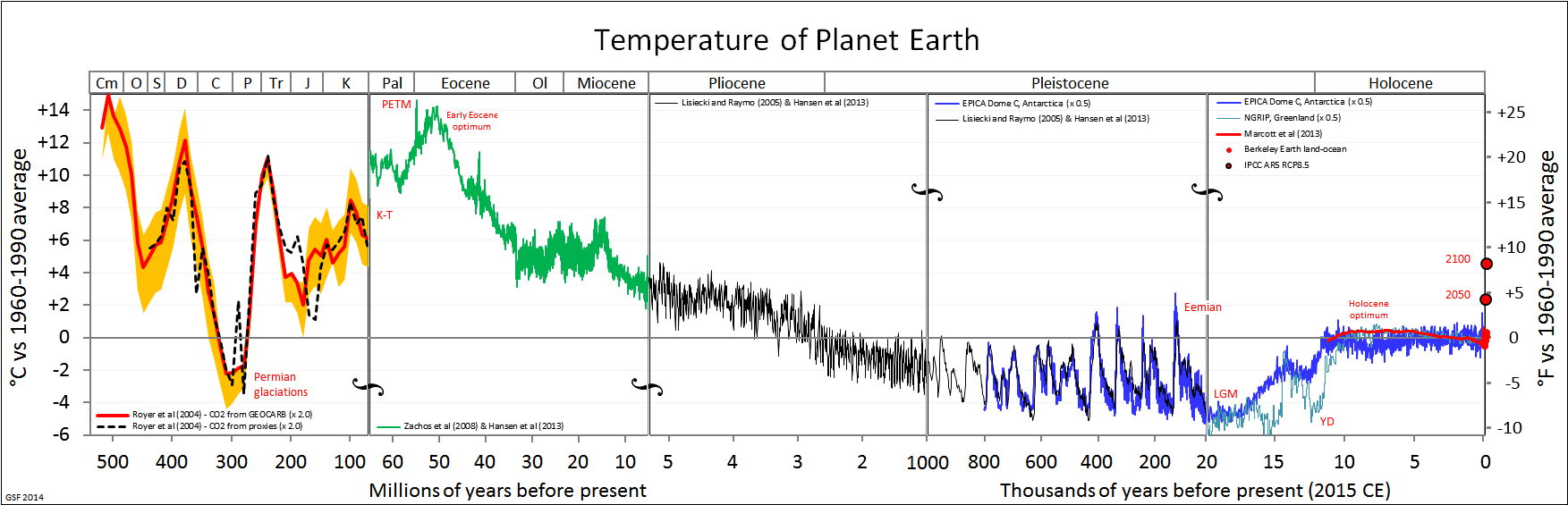
The Myth: Skeptics often argue that because the Earth has cycled through ice ages and warm periods in the past (such as the Medieval Warm Period), current warming is merely part of a natural cycle and not cause for alarm.
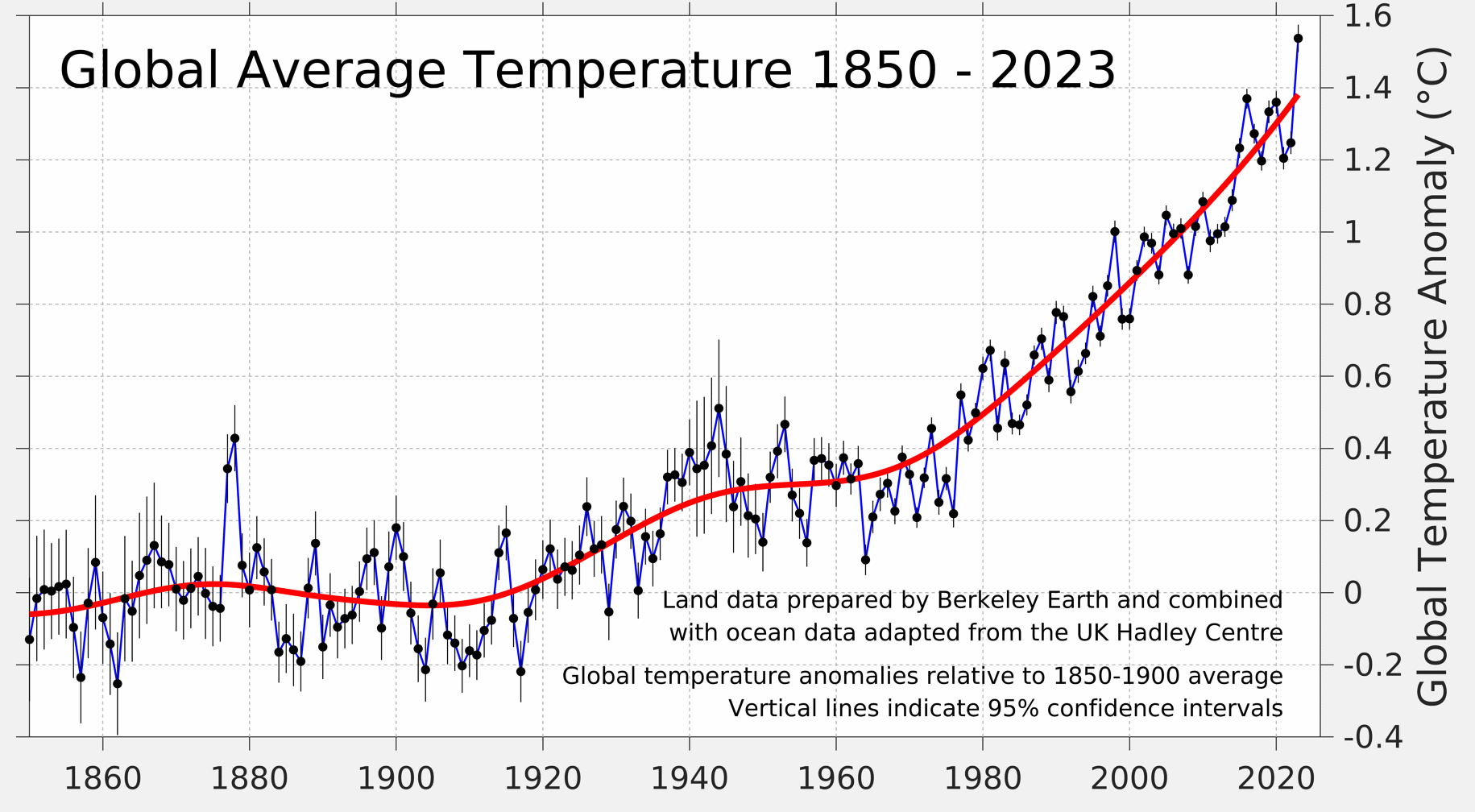
The Truth: While it is true that Earth’s climate varies naturally, the speed and scale of modern warming are unprecedented in at least 2,000 years. [1],[2],[3],[4] Current human-induced carbon release is faster than anything seen in the last 66 million years.[5] Data from 2024 confirmed it was the warmest year since tracking began in 1850,[6],[7],[8] and 2025 is virtually certain to be the second- or third-hottest on record.[9],[10],[11] Natural drivers alone, such as solar activity or volcanic eruptions, cannot explain this rapid rise.
Myth 2: "Scientists do not agree on the cause of climate change."
The Myth: This misconception suggests there is still a significant debate within the scientific community regarding whether humans are the primary drivers of global warming.
The Truth: Scientific consensus is nearly universal. Studies consistently show that 97% to 99% of peer-reviewed climate scientists agree that human activity is the primary cause of modern warming. Organizations like NASA, the IPCC, and every major scientific institution globally have concluded that burning fossil fuels is overheating the planet. [12],[13],[14], [15]
Myth 3: "Global warming isn’t real because it’s still cold in some places."
The Myth: Local cold snaps, heavy snowstorms, or unseasonably cool summers are often used as "proof" that the planet is not actually warming.
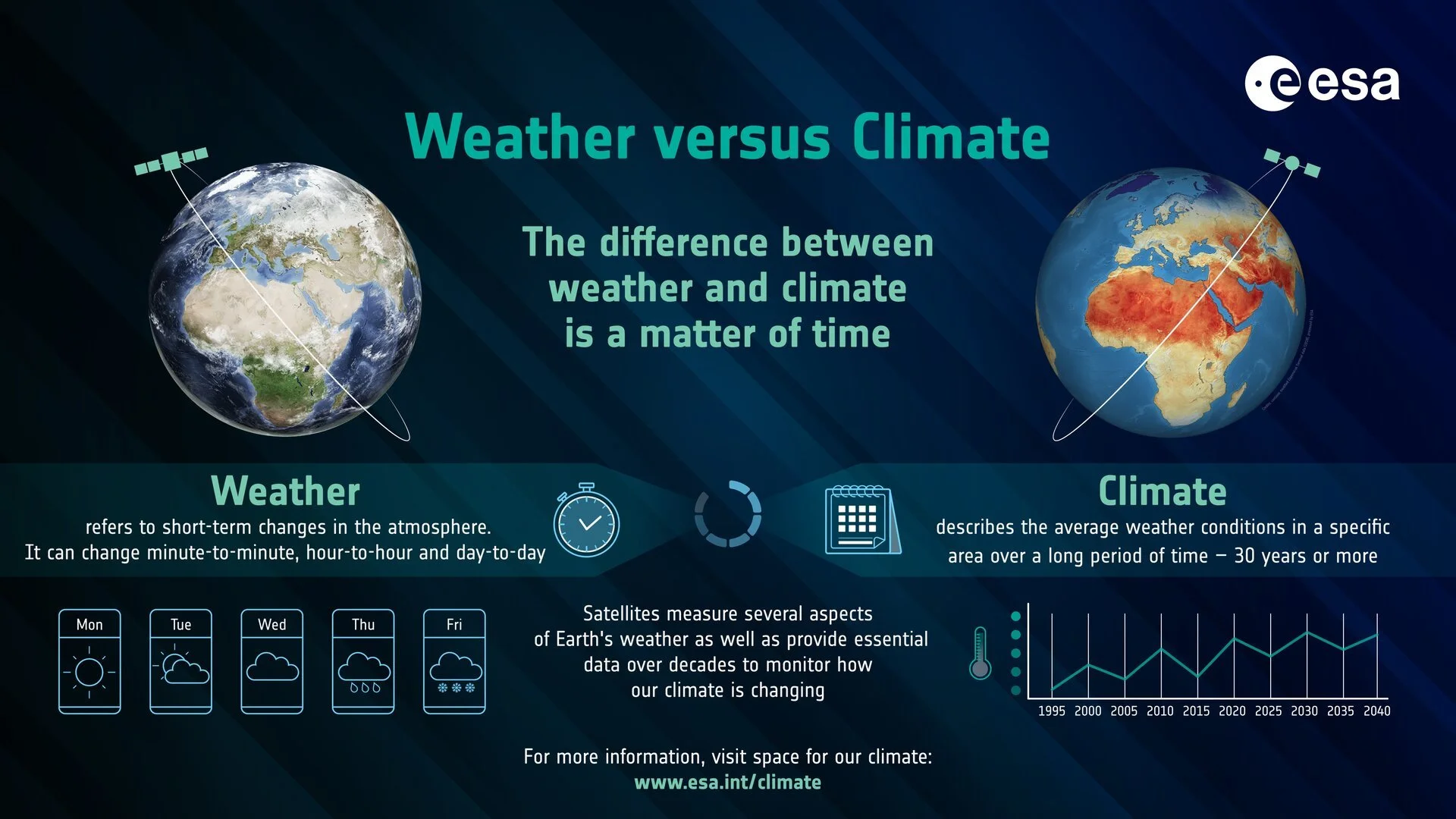
The Truth: This myth conflates weather (short-term, daily conditions) with climate (long-term trends over decades). Paradoxically, a warming atmosphere holds more moisture, which can lead to more intense snowstorms. Additionally, global warming can disrupt wind currents like the polar vortex, pushing Arctic air southward into regions that don't typically experience such cold while the planet as a whole continues to heat up. [16],[17],[18],[19],[20]
Myth 4: "A couple of degrees of warming is not a big deal."
The Myth: Some believe that a 1.5°C or 2°C increase in average temperature sounds minor, perhaps even pleasant in cooler regions.
The Truth: Even fractional changes have catastrophic global consequences. A 1.5°C increase—a threshold the world temporarily exceeded in 2024 and 2025—triggers more severe heatwaves, water scarcity, and the collapse of delicate ecosystems like coral reefs. Every extra degree of warming allows the air to hold 7% more moisture, fueling increasingly deadly floods and storms.[21],[22],[23], [24]
Myth 5: "Plants need CO₂, so more of it is actually good for the planet."
The Myth: This claim suggests that since plants use carbon dioxide for photosynthesis, higher levels of CO₂ will simply lead to a greener, more productive world.
The Truth: While plants require CO₂, there is a "hard limit" to how much they can absorb. Current CO₂ levels—the highest in roughly three million years—far exceed what existing plant life can process. Furthermore, the climate change caused by this CO₂ often results in droughts and extreme heat, which actually harm crops and forests, negating any potential "fertilization" effect.[25], [26],[27],[28]
Myth 6: "Renewable energy is too expensive or unreliable."
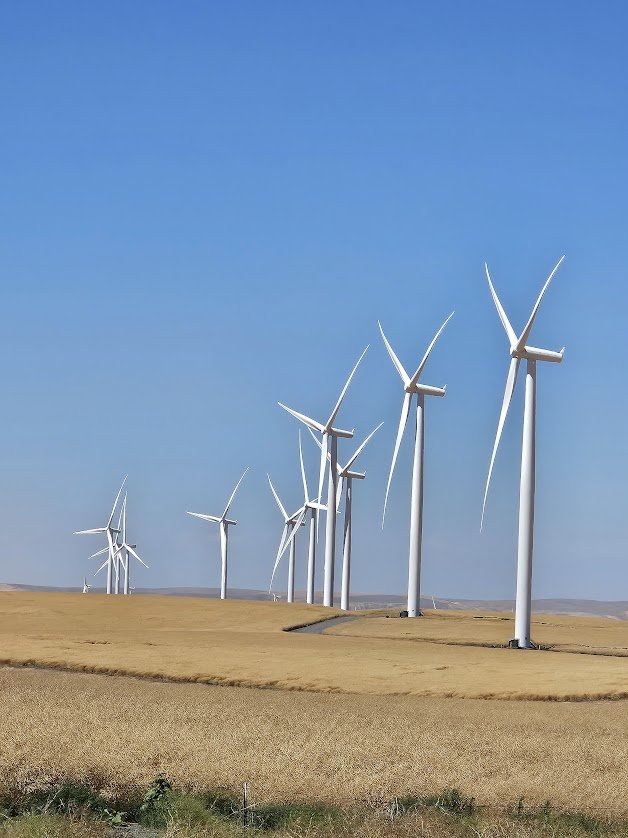
The Myth: Critics often claim that transitioning to green energy will ruin the economy and that renewables like solar and wind cannot provide power when the sun isn't shining or the wind isn't blowing.
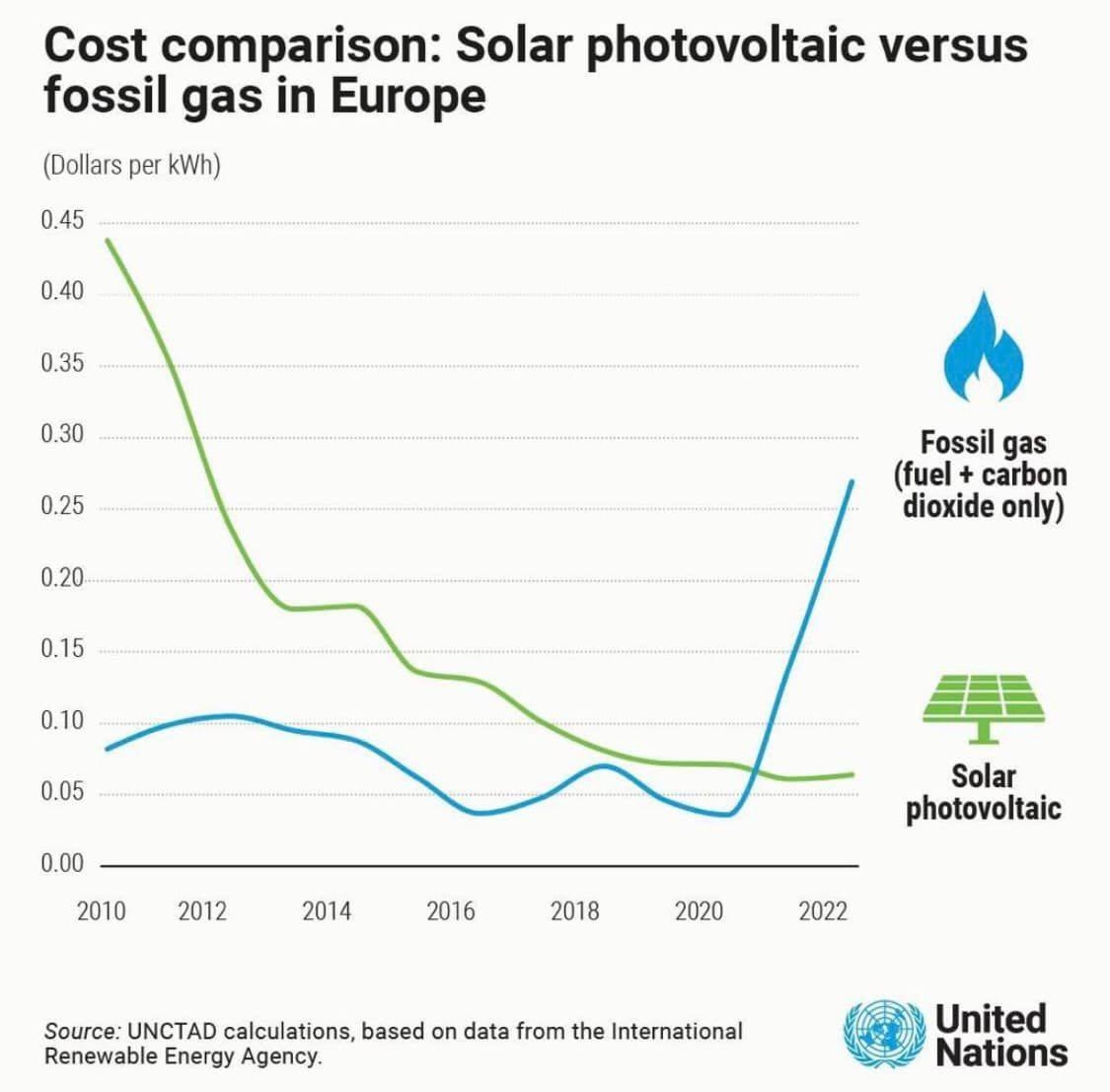
The Truth: Renewables are now the cheapest source of new electricity globally. In 2024, solar was 41% cheaper than fossil fuels, and onshore wind was 53% cheaper. Modern energy systems use battery storage and diversified grids to maintain reliability even during calm or cloudy periods. Moreover, fossil fuels receive nearly nine times more government subsidies than clean energy, distorting the true market cost[29],[30],[31],[32],[33]
Summary of Current (2025) Climate Facts
Fact Category
Current 2025 Data / Status
Hottest Years
2024 is the record holder; 2025 is on track for 2nd or 3rd place.
Paris Agreement target to hold the overall 1.5°C
The 1.5°C threshold was reached in 2024; 2023–2025 is the first 3-year average to exceed it!!!!
The Paris Agreement's temperature goals serve as the world's "guardrail" against dangerous climate interference, with 1.5°C now widely viewed as the essential limit for maintaining a liveable planet. The Paris Agreement's temperature limits are long-term goals intended to guide global action to hold warming well below the specified thresholds throughout the 21st century and beyond, According to the United Nations Environmental Program 2025 report ,the world is on track for a warming of approximately 2.3°C to 2.5°C by 2100. This is a slight downward revision from the 2.6°C to 2.8°C range predicted in previous years, but it remains significantly above the internationally agreed-upon safety thresholds.
Foot Note
[1] Intergovernmental Panel on Climate Change (IPCC). (2021). Climate Change 2021: The Physical Science Basis. Contribution of Working Group I to the Sixth Assessment Report of the IPCC. 2.3.1 Atmosphere and Earth’s Surface
[2] NASA Goddard Institute for Space Studies. (2024). Global Surface Temperature Data.
[3] National Oceanic and Atmospheric Administration (NOAA). (2024). State of the Climate: Global Climate Report for Annual 2024.
[4] Mann, M.E., & Kump, L.R. (2008). Dire Predictions: Understanding Global Warming. 2nd Edition.
[5] Le Quéré, C., et al. (2019). Global Carbon Budget 2019. Nature Climate Change, 10(10), 913-928.
[6] National Oceanic and Atmospheric Administration (NOAA). (2024). State of the Climate: Global Climate Report for Annual 2024.
[7] World Meteorological Organization (WMO). (2024). State of the Global Climate 2024.
[8] NASA Goddard Institute for Space Studies. (2024). Global Surface Temperature Data.
[9] National Oceanic and Atmospheric Administration (NOAA). (2025). State of the Climate: Global Climate Report for Annual 2025.
[10] World Meteorological Organization (WMO). (2025). State of the Global Climate 2025.
[11] NASA Goddard Institute for Space Studies. (2025). Global Surface Temperature Data.
[12] Cook, J., Oreskes, N., Doran, P. T., et al. (2013). Quantifying the consensus on anthropogenic global warming in the scientific literature. Environmental Research Letters, 8(2), 024024.
[13]NASA (2021). Climate Change: How Do We Know?
[14] IPCC (2021). Climate Change 2021: The Physical Science Basis. Contribution of W
[15] National Academies of Sciences, Engineering, and Medicine. (2018). Forecasting the Future of Climate Change.
[16] NOAA. (2021). Weather vs. Climate.
[17]Intergovernmental Panel on Climate Change (IPCC). (2021). Climate Change 2021: The Physical Science Basis. Contribution of Working Group I to the Sixth Assessment Report of the IPCC.
[18] NASA. (2020). Global Climate Change: Weather vs. Climate.
[19] American Meteorological Society. (2019). The Role of Climate Change in Extreme Weather Events.
[20] Francis, J.A., & Vavrus, S.J. (2015). Evidence linking Arctic amplification to extreme weather in mid-latitudes. Journal of Climate, 28(8), 3197-3217.
[21] Intergovernmental Panel on Climate Change (IPCC). (2021). Climate Change 2021: The Physical Science Basis. Contribution of Working Group I to the Sixth Assessment Report of the IPCC.
[22] NOAA. (2021). Climate Change: Global Temperature Rise.
[23] World Meteorological Organization. (2021). State of the Global Climate 2021.
[24] Collins, D.C., et al. (2020). The impact of climate change on the ocean's ecosystems. Nature Climate Change, 10(5), 389-396.
[25] Intergovernmental Panel on Climate Change (IPCC). (2019). Climate Change and Land: Summary for Policymakers.
[26] Ainsworth, E.A., & Rogers, A. (2007). The “CO₂ fertilization” effect: How does it work? Nature Climate
[27] Zavaleta, E.S., et al. (2008). Ecosystem responses to climatic change: A review of the evidence. Global Change Biology, 14(2), 319-338.
[28] World Resources Institute. (2020). The Climate Crisis: Impacts on Agriculture and Food Security.
[29] International Renewable Energy Agency (IRENA). (2024). Renewable Power Generation Costs in 2024.
[30] Lazard. (2024). Levelized Cost of Energy Analysis – Version 18.0.
[31] Bloomberg New Energy Finance. (2024). New Energy Outlook 2024.
[32] International Energy Agency (IEA). (2024). World Energy Outlook 2024.
[33] Organisation for Economic Co-operation and Development (OECD). (2023). Fossil Fuel Support.
[34] National Snow and Ice Data Center. (2025). Arctic Sea Ice Report.
[35] European Space Agency. (2025). CryoSat: Measuring Arctic Sea Ice Volume.
[36] Gallup. (2024). Gallup World Poll: Global Views on Climate Change.
[37] Ipsos. (2023). Climate Change: Global Attitudes and Concerns.
[38] United Nations Development Programme (UNDP). (2023). Climate Change: A Global Challenge.
[39] World Economic Forum. (2023). Global Risks Report 2023.