
The Uniqueness of Earth in the Cosmos
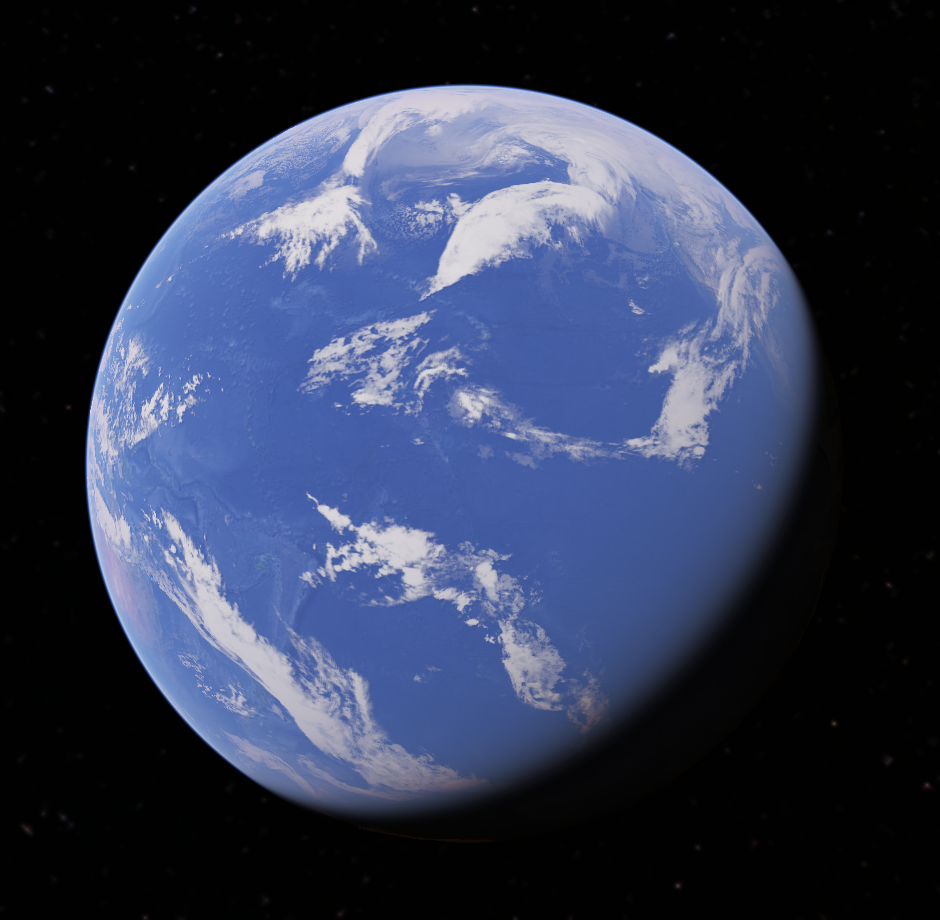
Earth - the blue planet. Water cover 71% of the Earth’s surface. The ocean’s vast supply of liquid water, regulation of climate, and role in producing oxygen through marine photosynthesis are vital for sustaining human life on Earth.
Photo credit: Google Earth
Imagine a vibrant, lively planet within a universe filled with lonely, barren landscapes and cold rocks. Our Earth stands out as a beautiful oasis in the vast cosmos, shining with its ability to support a rich diversity of life. This specialness calls for us to cherish and respect our planet deeply. Think about our two closest neighbors in our solar system.
Venus is extremely harsh and unsuitable for human exploration. It’s so hot on the surface—about 467°C (872°F)—hot enough to melt most things, making survival impossible. The atmospheric pressure is about 92 times that of Earth, like being almost a kilometer underwater, which would crush anything unprotected. Its thick atmosphere is mainly carbon dioxide, with clouds of sulfuric acid, creating a toxic environment where breathing is impossible. Plus, Venus has no liquid water and features rocky, volcanic terrain, making it a very tough place to explore or live on.
Mars also presents many challenges for humans hoping to settle there. Its cold temperatures—around -80°F (-62°C) and as low as -195°F (-125°C) at the poles—are a significant threat to our survival. The thin atmosphere, primarily carbon dioxide, offers little oxygen and no protection against harmful cosmic rays, which could harm our health. Dust storms can last for weeks, blocking sunlight and making solar power unreliable. Water is scarce, too; it must be extracted from ice, which requires advanced technology. The low gravity—only 38% of Earth's—could cause long-term health issues. All these factors make Mars a tough, inhospitable place, unsuitable for humans if Earth no longer supports life.
While discovering exoplanets is becoming more common, finding ones that could support life like ours remains rare and challenging. Powerful telescopes like Hubble and the James Webb Space Telescope help us explore these distant worlds, but the specific conditions needed for life make such discoveries truly special. Each discovery helps us learn more about the universe and the exciting possibility of life beyond Earth.
The closest potentially habitable exoplanets, such as Proxima Centauri b, Ross 128 b, Teegarden's Star b, Luyten b, and K2-18 b, offer fascinating insights into the possibilities of life beyond our planet. Proxima Centauri b lies about 4.24 light-years away and orbits within the habitable zone of the nearest star to our solar system, hinting at conditions that could support liquid water, although its atmosphere remains uncertain due to stellar flares. Ross 128 b, roughly 11 light-years away, is similar in size to Earth and orbits a quieter star, which could help it maintain an atmosphere that could support life. Teegarden's Star b, 12.5 light-years away, is another promising Earth-like candidate orbiting a low-activity red dwarf star. Luyten b, about 12.2 light-years away, is positioned in its star's habitable zone, raising hopes for liquid water. K2-18 b, a super-Earth 124 light-years away, has water vapor detected in its atmosphere, sparking exciting ideas about its potential for habitability. Despite these thrilling possibilities, the fact that reaching these planets at the speed of light would take years—several to the nearest ones and over a century to K2-18 b—reminds us of the vast distances we face in exploring these celestial bodies.
Think about the fantastic diversity of Earth’s ecosystems, each home to unique species perfectly adapted to their environment. From the lush rainforests of the Amazon to the expansive deserts of the Sahara, Earth is bursting with biodiversity. This diversity isn't just beautiful; it's vital for the resilience of life, helping species survive environmental changes and diseases. Every ecosystem plays a crucial role in maintaining Earth's delicate balance, showing us just how extraordinary our planet’s variety truly is.
News Alert: There is no Planet B. For better or worse, we are stuck with planet Earth, our only planetary life support system.
The Elements Necessary for Life
Water truly is the life force of our planet. Earth, often called the "Blue Planet," stands out for its vast amounts of liquid water, which cover around 71% of its surface. This precious resource is vital for all living beings, acting as a medium for countless biochemical reactions and providing a home for a diverse array of species. Rivers and lakes, as freshwater sources, support rich ecosystems and human communities alike, highlighting just how vital this resource is.
Earth's atmosphere is another incredible feature. Made up mostly of nitrogen (78%) and oxygen (21%), it forms a breathable shield for all living things. The greenhouse gases within it help keep our planet’s temperature just right for life to thrive. Plus, the atmosphere acts like a protective barrier, filtering out harmful ultraviolet rays and giving life an extra layer of safety.
The Interconnectedness of Life
Earth's ecosystems are beautifully interconnected, with each species depending on others for survival. Imagine how plants give us oxygen and sustenance for herbivores, which then become food for carnivores. This excellent web of relationships creates a delicate balance that helps all life on our planet thrive.
Nevertheless, human actions jeopardize this balance. Deforestation, pollution, and climate change are disturbing ecosystems and putting many species at risk. As custodians of the Earth, we must acknowledge the effects of our behavior and strive to protect the fragile systems that support life.
The Sacred Nature of Earth
Culturally, Earth is often viewed as a sacred place, holding a special meaning for many indigenous cultures. They emphasize a deep spiritual bond between humans and nature, encouraging us all to care for and respect our environment. This heartfelt perspective reminds us that our well-being is closely connected to the health of our beautiful planet.
Across major religions, there's a shared, heartfelt commitment to protect the Earth, showing that we all see ourselves as stewards of this beautiful planet. Christianity encourages us to care for God’s creation, inspiring a sense of responsibility and love. Islam considers the Earth a trust from Allah, urging sustainable practices and respect for nature. Hinduism sees the Earth as sacred, promoting harmony and kindness toward all living beings. Buddhism teaches interdependence and mindfulness, fostering compassion for the environment. Indigenous beliefs also emphasize a strong, sacred bond with the land, highlighting respect and a sense of giving back. These wonderful teachings remind us of our collective moral duty to cherish and protect our planet, so it remains healthy and vibrant for generations to come—because our lives and harmony truly depend on it.
Additionally, recognizing the sacredness of Earth helps inspire a sense of moral responsibility. The miracle of life is a precious gift that we should cherish and protect. As we encounter pressing environmental challenges, it's so important to nurture a mindset of reverence and loving care for our planet.
Conclusion
In a universe that often seems lonely and tough, Earth stands out as a special and precious sanctuary for all living things. Its unique qualities—like being in the perfect Goldilocks Zone, having plenty of liquid water, and a comforting atmosphere—highlight how delicate and remarkable the balance is that keeps different ecosystems thriving. When we think about Earth's incredible diversity and how all its life forms are connected, it’s clear that our planet isn’t just our home; it’s a rare and valuable gift that deserves our love, respect, and careful stewardship.
Different religions and cultures remind us of our moral duty to care for our environment. By seeing Earth as sacred, we develop a strong sense of responsibility that goes beyond just our personal interests, encouraging us to work together for the greater good. As we face urgent environmental issues, it’s so important to nurture feelings of reverence, sustainability, and genuine care for our planet. In the end, the happiness and well-being of future generations depend on how well we cherish and protect this one-of-a-kind home, so that Earth remains a lively and vibrant oasis for everyone.